Is Your Home Impacting Your Wellness?
Written by Sarah Gerber and Jen Rowe, Co-Founders of Lumea Living
We optimize our workouts, our calendars, even our sleep. But what if the most overlooked factor in our wellbeing is the space we live in? In this compelling piece, Lumea Living Co-Founders Sarah Gerber and Jen Rowe introduce the idea of spatial wellness and explore how our homes quietly influence stress, clarity, and daily flow. If your space feels heavier than it should, this article offers a fresh perspective on why that might be and what becomes possible when your home finally starts working for you.
As a society, we talk about wellness constantly. We refine our workouts, track our sleep, and protect our calendars. Yet we rarely examine the environment we move through every day. Our homes quietly shape us. They influence how rushed mornings feel, whether evenings land softly or spiral, and how easily we transition between work and rest. A home is not a neutral container. It either absorbs friction or amplifies it. At Lumea Living, we believe your surroundings shape your life.
When your home properly supports you, you feel lighter.
Decisions require less effort.
There is less visual noise and less mental strain.
That is the foundation of spatial wellness.
What spatial wellness actually looks like
Spatial wellness is not about perfection or minimalism as performance. It is about alignment between how you live and how your space functions. When that alignment exists, you feel it. You walk into a room and nothing pulls at your attention unnecessarily. You know where things belong. Your environment feels cooperative rather than demanding. Its absence often reveals itself during transition. A new baby, a renovation, a move, or even a shift in work rhythm can quietly unravel systems that once worked. The result is rarely dramatic chaos. It is decision fatigue, visual clutter, and the low-grade stress of spaces that feel out of sync with your life. Over time, that friction accumulates.
The mental load no one talks about
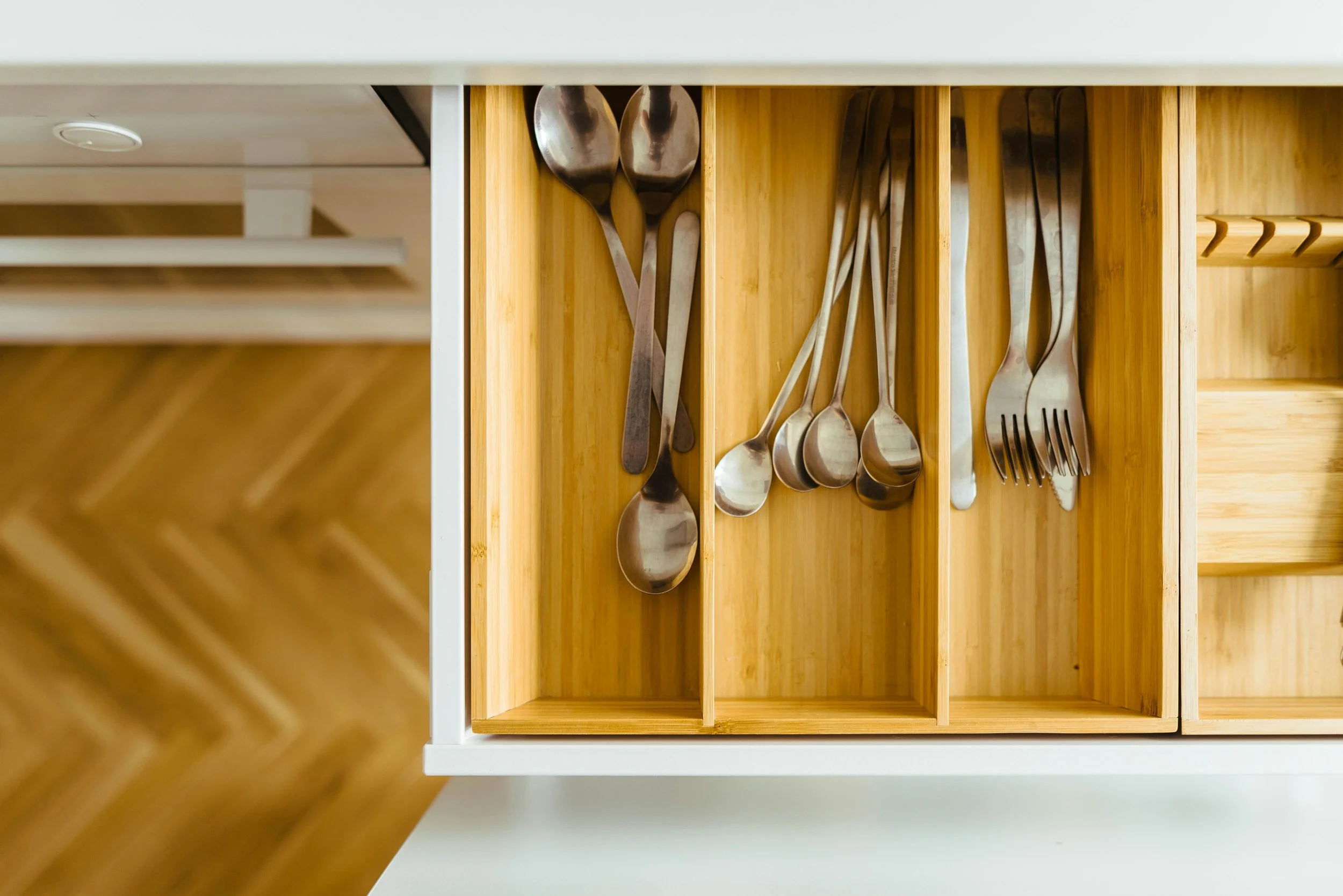
The families we work with are highly capable. They are fully able to organize their homes themselves. The challenge is not skill. It is bandwidth. When every drawer requires a small decision, when surfaces become holding zones for unfinished tasks, and when systems are only partially built, the home begins to consume energy rather than restore it. The effects are subtle but real. Patience shortens. Mornings feel heavier than they should. Even moments of rest carry a background awareness of what remains undone. An intuitive environment does the opposite. It absorbs complexity and makes the next action obvious. That kind of ease is not indulgent. It is structural support for daily life.
Designing for lightness
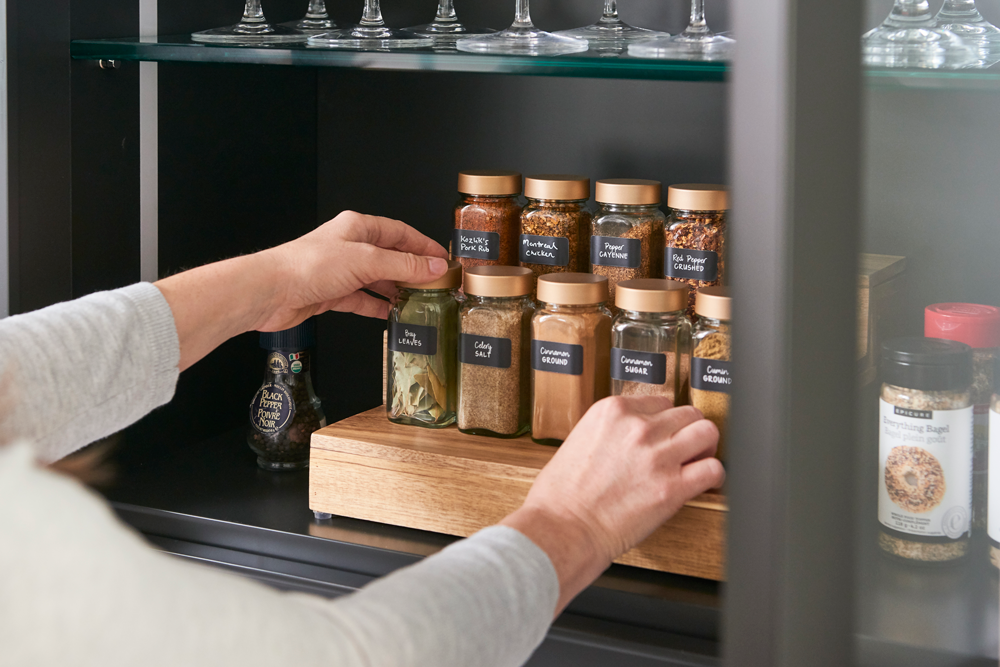
In our work, we return to one idea: lightness. Lightness is not about owning less for its own sake. It is about keeping what supports you and building systems around real habits rather than aspirational ones. It begins with observation. Where do shoes naturally come off? Where does the mail actually land? How do your mornings truly unfold? When systems respond to reality instead of idealism, they feel intuitive. Storage aligns with usage. Categories make sense without explanation. The distance between tasks shortens. Care is essential throughout the process. Homes hold memory and identity. Sustainable change happens when it is approached with empathy and without judgment. When clarity, structure, and care work together, a space feels expansive rather than crowded, functional rather than performative, and beautiful in a way that is steady and sustaining.
Why this conversation matters now
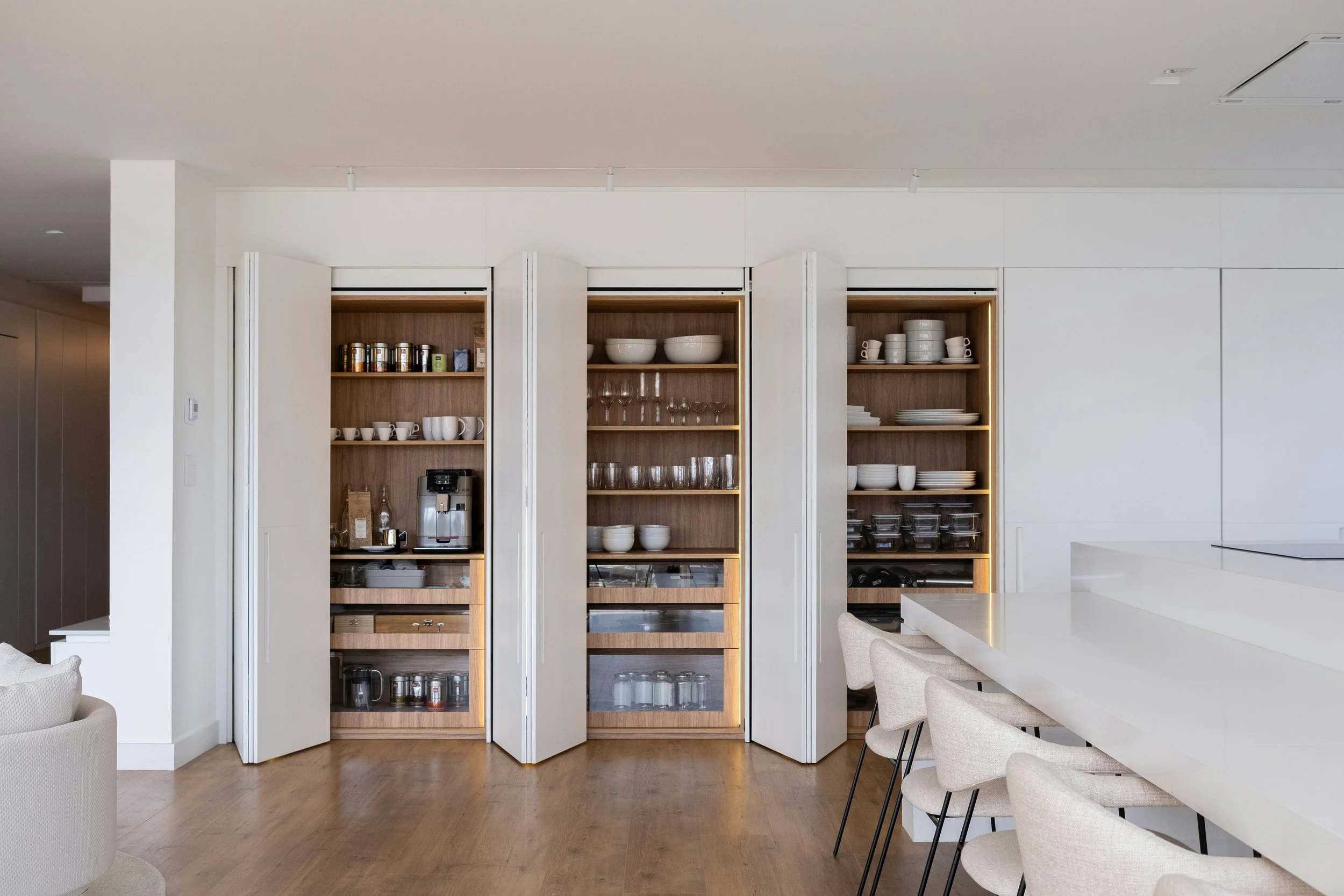
We are living in a time of constant input. Notifications, news cycles, layered schedules. The home is expected to restore us, yet it is often where excess quietly accumulates. Spatial wellness is not about aesthetics. It is about capacity. When your kitchen supports your morning rhythm, the day begins grounded. When your closet makes getting dressed effortless, you reclaim time and mental space. When your entryway flows, leaving and returning feel calm. These moments seem small, but they compound. Over time, they shape how you experience your life. A home designed with intention becomes stabilizing rather than demanding.
A different standard for home
Organization is often positioned as a finishing touch. We see it as a foundation. A home that supports you frees cognitive bandwidth and steadies relationships. It models clarity for children and provides stability during seasons of change. Spatial wellness asks a direct question: does your home work for the life you are living now? If not, the answer is rarely more containers or stricter rules. It is alignment. A thoughtful reworking of your environment so it carries some of the weight you have been carrying alone. When that shift happens, it is not perfection you feel. It is lightness. And from that place, everything else moves more easily.
Sarah Gerber and Jen Rowe are the Co-Founders of Lumea Living, a bespoke home organization studio serving Vancouver, Toronto, and their surrounding areas, that is rooted in the belief that your surroundings shape your life. Through personalized discovery and white-glove implementation, they design intuitive systems that bring clarity, lightness, and lasting ease to everyday living and life transitions. Their work has been featured in top-tier media outlets, including BC Living, Breakfast Television, Châtelaine, Global TV, Home Network, House & Home, National Post, Style at Home, Toronto Star, and Vancouver Sun.