

Knock Knock, Who’s There? No One— Canada Post Is Ending Door-to-Door Delivery
Written by Taylor Devoe
Everything you need to know about Canada’s mailbox shift, and what it means for our communities.
Canadian neighbourhoods are changing again.
When I was a kid in the 90s, parents sat outside on their front porches. Neighbours babysat for one another. I had my best friend’s home phone number memorized. We played outside until the lights came on for supper time. I could easily spot where my gan of friends had stopped to play simply by looking for the pile of bikes on a front lawn.
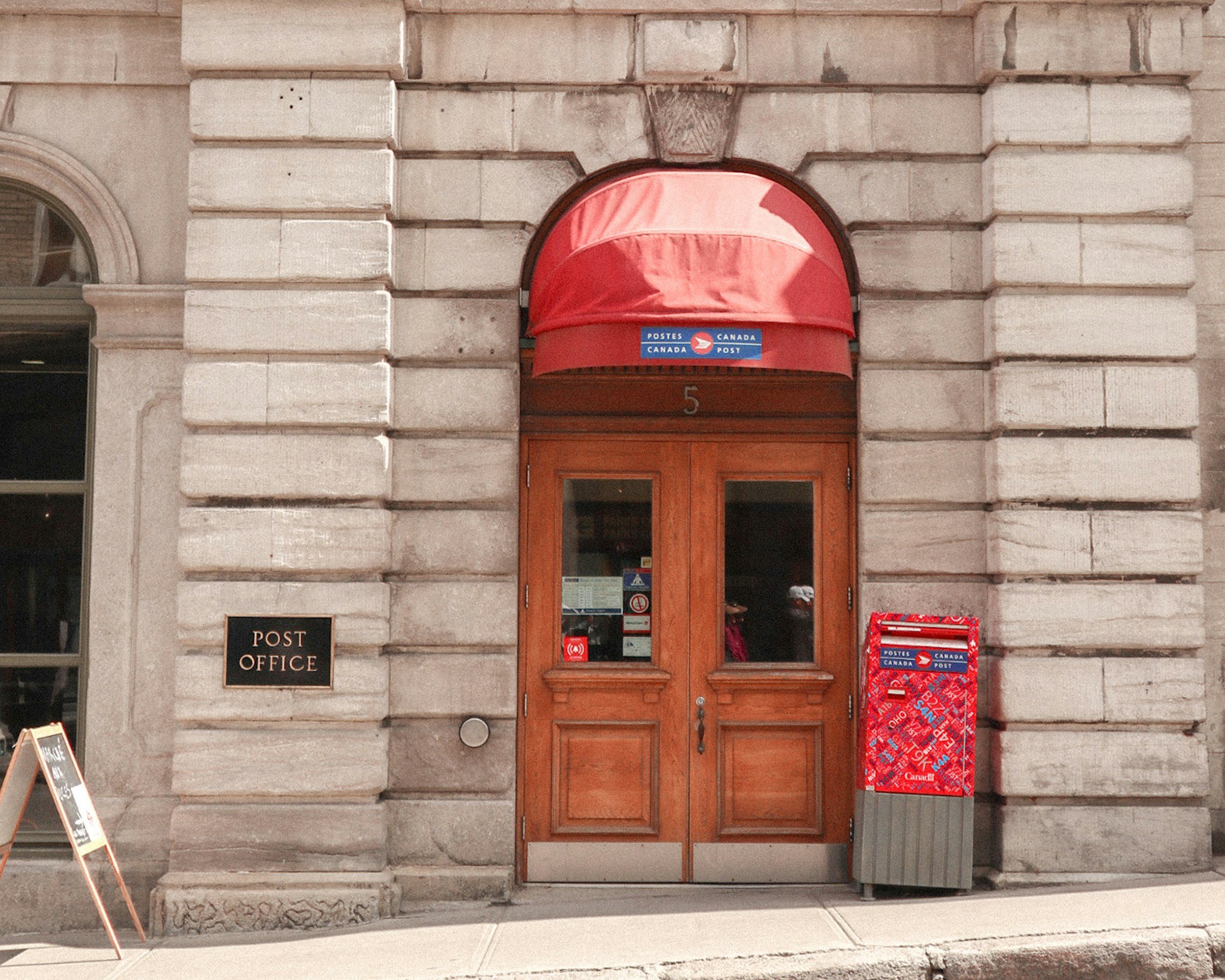
We knew which neighbourhood kid had the paper route that year. We knew our mail carrier by name. Every day, they would walk up to our front door to deliver our mail: bills, birthday cards, handwritten letters from loved ones, post-cards from travelling friends. If I close my eyes I can even hear the rusty creak of the mailbox opening.
With growing ways to connect through technology for both kids and adults, we aren’t seeing the same sort of communities in our neighbourhoods gather outside anymore. Kids are chatting online, through their phones or video games, our friendly mail delivery person often doesn’t have paper to drop in our box anymore because everything has gone digital.
While Canada Post ending it’s door-to-door delivery is I guess, ineviteable, it feels a bit… sad.
Rushing to the mailbox each afternoon to see if I had gotten a birthday card with money in it, or a note from my pen pal were highlights of my childhood. Now its just going to be another anecdote to shock my kids with:
“Do you know our mail used to be delivered right to our front door? A person used to WALK door-to-door delivering everyone’s mail!”.
Everything you need to know about this upcoming change:
What Happens Next
What We May Lose
And— What We May Gain
What Happens Next
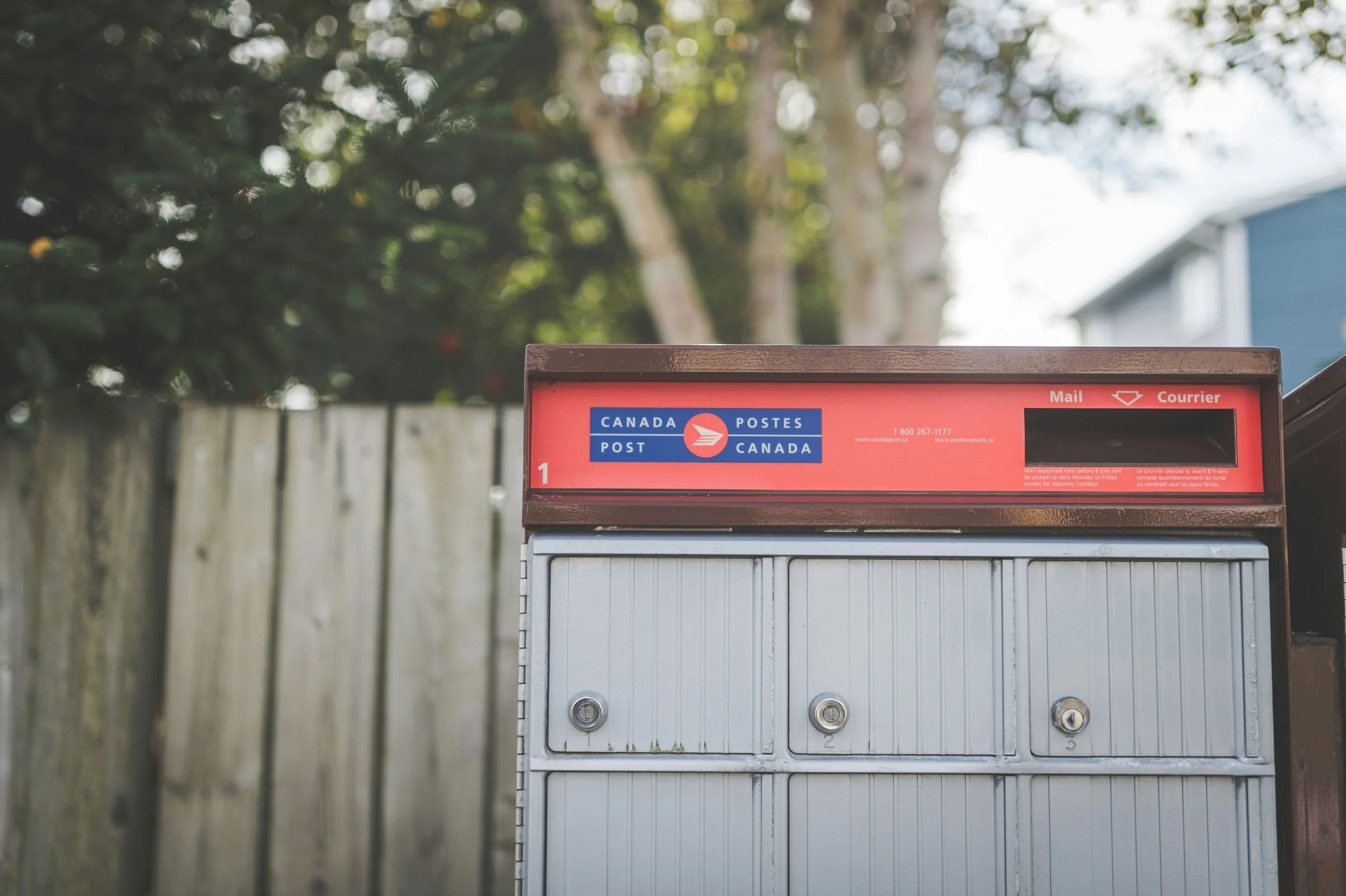
Canada Post is planning to expand the use of community mailboxes. This means more households will lose door-to-door delivery.
The shift is tied to:
declining letter mail;
rising delivery costs; and
long-term financial pressures.
Currently, about four million homes still have mail delivered to their door. This rollout won’t happen overnight, but it is moving forward. It is estimated it could take approximately 4-9 years to fully transition.
Areas that will likely be affected first include new developments, suburban areas and older neighbourhoods.
Canada Post has stated they will continue to update Canadians and will provide as much notice as possible on any changes.
Canada’s Post statement can be found here.
What We May Lose
It’s yet another change to our neighbourhoods. Many of us will lose a ritual we have always known: walking to the front door to check the mailbox.
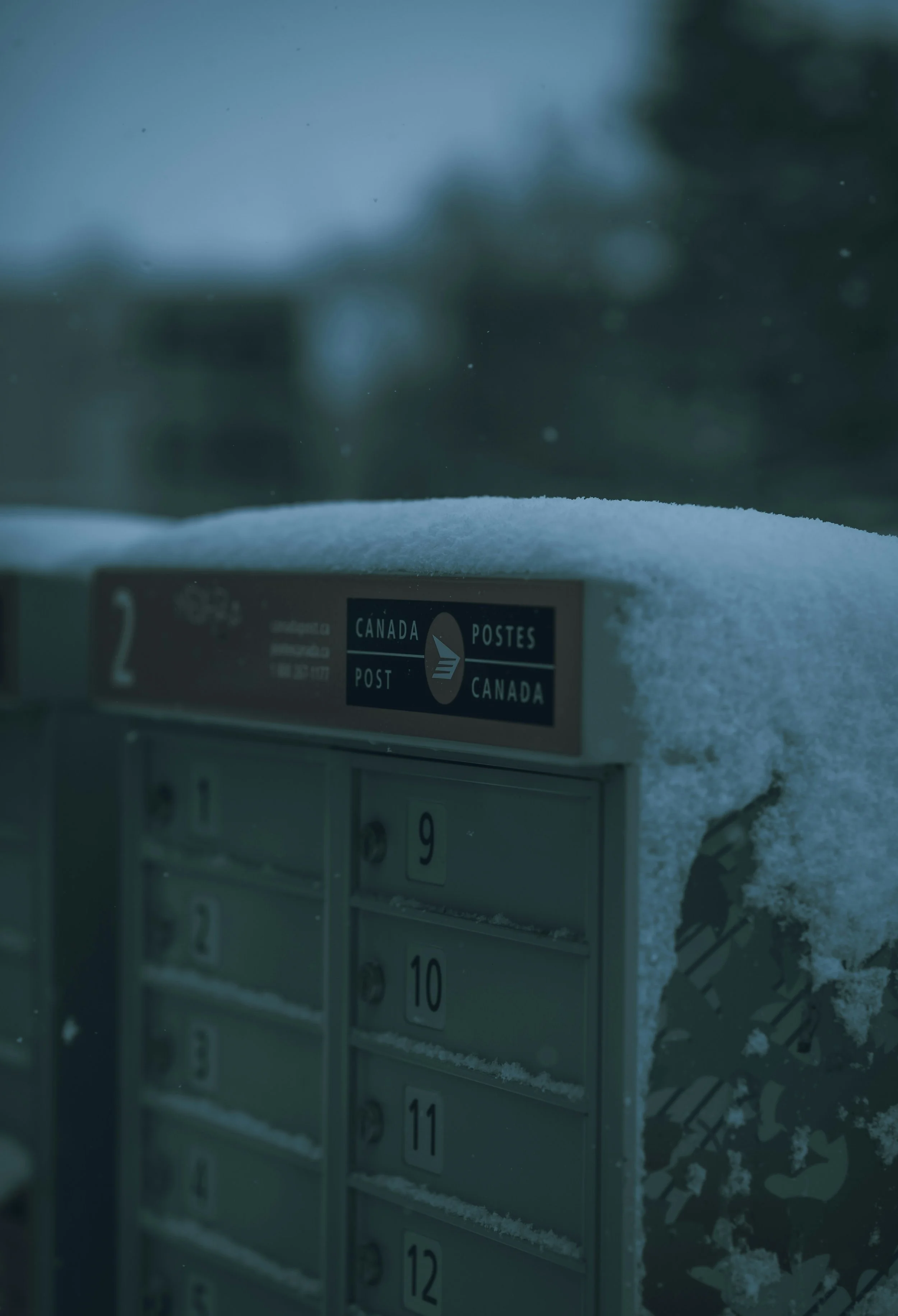
There are major concerns around accessibility, particularly in the winter months when snowbanks bury the community mailbox and sidewalks are covered in ice. How will seniors or those with mobility issues navigate this? Some rural towns don’t even have sidewalks.
For suburban cities, there are concerns as to where these community mailboxes will go, when there isn’t plentiful space to give up.
Distance will continue to be a barrier. When so many of our communities are rural, particularly in Northern communities, there are concerns they will be harshly affected.
What We Might Accidentally Gain
Are new nostalgic memories on the horizon? Community mailboxes could actually lead to unexpected neighbour interaction. Like the water cooler in an office, perhaps the shared mailbox will become a casual meeting point, a small social hub that we send the kids to (“take the dog for a stroll and go grab the mail!”)- a new, shared neighbourhood space. This might be where we finally run into our neighbours.
Mail is shrinking because communication has been evolving. We pay bills online and send e-invites. This means less physical clutter, things in our junk drawer and less paper wasted. What used to be the norm- sending cards, invitations, letters- will now be something extra special.
Canada Post has been struggling financially for years, with significant losses since 2018; it’s simply unsustainable.
It’s not all loss. It’s inevitable change.
Canadians will adapt, as we always have.
→ Did you enjoy this article? Join us for our weekly newsletter on all things Canadian for more.