The First Step to Start Healing? Step Outside.
Written by Keltie Masters
A moving reflection on how nature heals what words cannot, where wilderness, wildlife and quiet moments of nature helped transform trauma into purpose and a life rooted in connection with the natural world.
There are moments in life that don’t just change your direction, they erase the map entirely.
If you had told me years ago that nature would become my therapy, my marriage, my business, and my life’s purpose, I wouldn’t have understood what you meant. Back then, I only knew that when life felt overwhelming, I went outside. I didn’t know then I was healing.
I grew up in a home shaped by alcoholism. My parents struggled and arguments were common. Tension filled the air more often than peace did. As a little girl, when the fighting started, I would quietly slip out the door. I’d hide around the side of the house where the lady bugs gathered, go to the park or walk amongst the trees at the edge of our subdivision.
There- nature didn’t yell, it didn’t judge, it didn’t disappoint me. Outside, I could escape, I could breathe.
My husband Stan’s childhood was different, but in many ways just as lonely. Growing up in the 1960s, long before Asperger’s Syndrome and dyslexia was understood, he was labeled “slow” and told he would never amount to anything. School was a constant struggle, and nothing made sense. Social settings were uncomfortable and avoided. What no one saw were his gifts.
He had a photographic memory. He understood numbers instinctively. He could calculate, estimate, and solve problems in ways that seemed effortless. He needed routine and precision in a world that never understood him.
By sixteen, he left school and went to work on the oil rigs in Northern Alberta. There, in the world of numbers, machinery, and the un-suffocating outdoors, he finally felt capable, competent, and needed. He learned to mask his dyslexia so well that most people never noticed. But deep down, he still carried the quiet ache of never truly being believed in.
Stan and I met in our late teens at a party. The next day he left for work up north for two years. That same night, I also met his friend Dave.
Life took its course. I married Dave and we had two beautiful children. Stan married as well and had three of his own. Over the years, our families remained close. We camped together, fished together, and boated together. Even after Stan separated from his wife, he always showed up with kids in tow for campouts and get togethers. He was a devoted father, even as a single part-time dad.
Then tragedy struck.
Dave was in an accident that left him permanently handicapped. Years of surgeries and rehab followed. After retraining at college, in an attempt to rebuild a career, came the crushing reality of not being able to find work. The weight of it all became too much for a man with so much pride. Sadly, and very unexpectedly, Dave took his own life.
In one day, I lost my husband and my best friend. My teenagers lost their father. Stan lost a lifelong friend. And the ground beneath my feet disappeared.
Grief is not just emotional, it is logistical, financial and disorienting. I was asset-rich but money-poor. Our home was paid for, but when my vehicle died, I couldn’t get a loan because our credit had been in Dave’s name.
Stan stepped in and co-signed for me. He didn’t hesitate. That simple act of kindness changed everything.
We began taking long walks together. At first, it was just conversation and fresh air. But somewhere along those trails, something deeper began to happen. We both understood grief. We both understood loneliness. And neither of us needed to explain ourselves.
In the quiet of the forest, we could talk, or not talk, and both felt okay.
I began to see the man beneath the labels he had carried his whole life. The boy who had been told he wasn’t enough. And Stan saw in me someone who still wanted to believe in purpose, even after losing everything.
A few years later, we married.
Together we built a home in the forest, surrounded by trees and wildlife. For me, it became a sanctuary. For Stan, it became medicine from a world that had always felt too busy and too loud.
It was there that the real healing began.
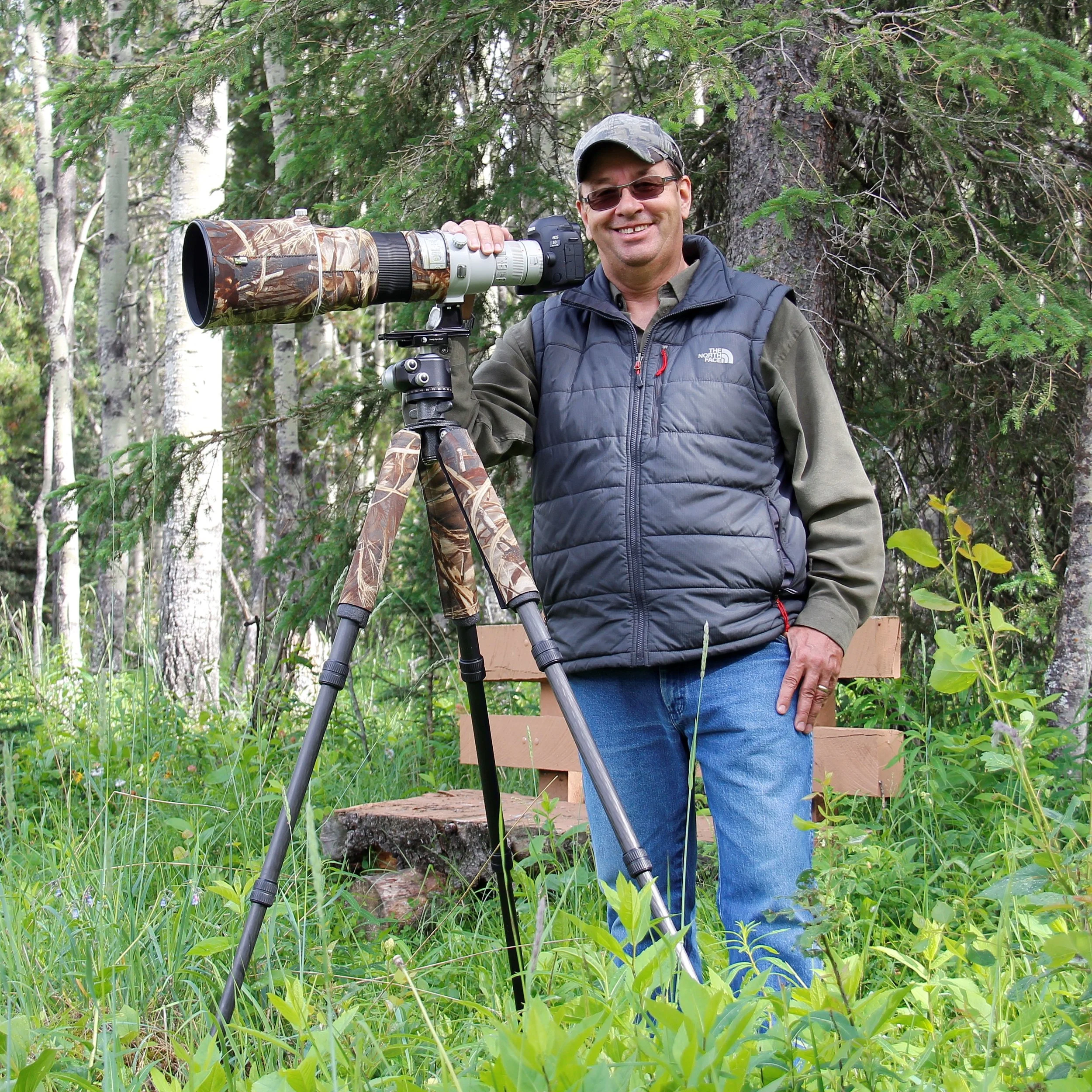
Here, Stan discovered wildlife photography. I watched him come alive behind a camera. Photography combined everything his mind loved; precision, light, timing, patience, calculation. Waiting for the perfect moment required discipline and stillness. It was structure and art woven together. Through that lens, he saw beauty. And through watching him, I did too.
When the oilfield industry crashed in 2014, we found ourselves at another crossroads. Instead of retreating, we decided to open our home as Back to Nature B&B Retreat. We offered photography classes and guided nature drives. Travel Alberta later named us as “One of the Six Unique Places to Stay in Alberta”, and guests came from all over the world.
What struck us the most wasn’t the recognition. It was the transformation in people.
Surrounded by forest, wildlife, and open sky, guests softened. They slowed down. They breathed differently. Many arrived exhausted and left lighter. I saw in them what I had once experienced as a child slipping outside during chaos - nature had a way of holding people without asking anything in return. That realization changed us.
If nature had healed us - through trauma, grief, doubt, and loss - maybe our purpose was to help others reconnect with it too.
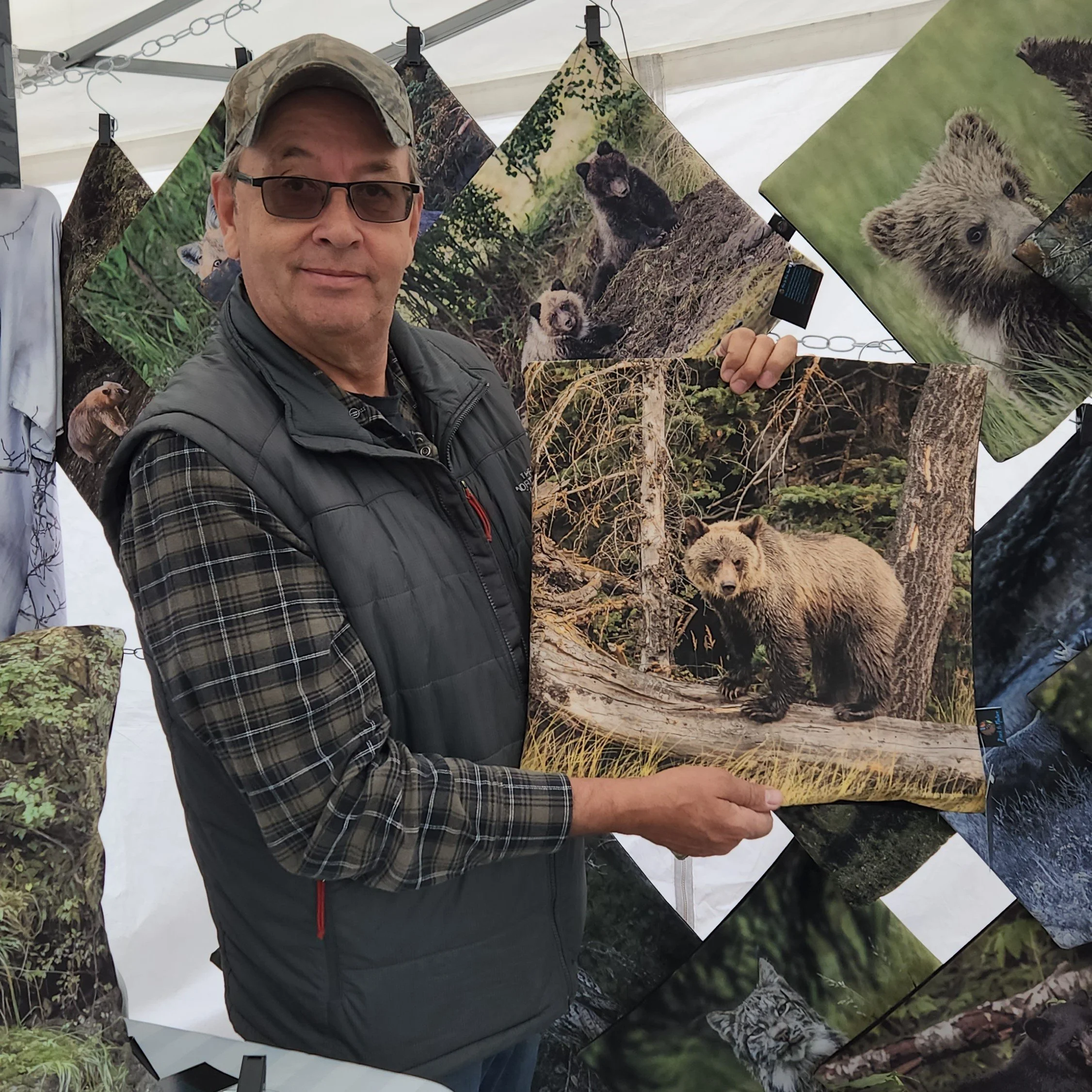
Back to Nature Photography grew from that seed. As a seamstress at heart, I longed to take our images beyond framed prints. I wanted people to wrap themselves in nature. To wear it and to carry it into their daily lives.
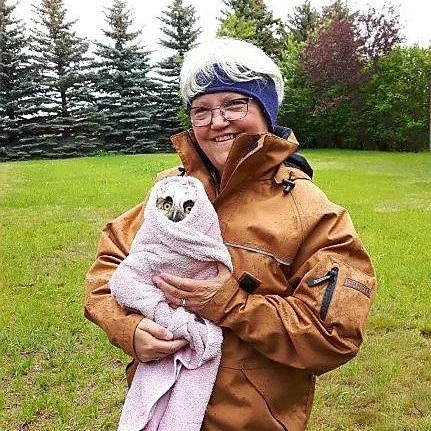
That desire became Back to Nature Apparel - a Canadian-made brand featuring our wildlife photography on apparel and accessories. We made a commitment from the beginning to support wildlife rehabilitation with a portion of our proceeds. It felt right. If nature had given us so much, we wanted to give back to nature.
Our path hasn’t been easy. There have been setbacks and pivots and uncertain seasons. But when we look back now, we see something clearly - nature was never just a part of our lives. It was always there.
It was there when I was a little girl escaping arguments. It was there when Stan felt unseen and misunderstood. It was there when grief hollowed out our world. And it was there when love quietly grew between two wounded people.
We may never be a household name. But that was never the goal.
For we truly believe that the more people learn about nature and not just see it, but feel connected to it, something shifts and the more likely they too will want to help look after it. So, if one person feels connected to a lost loved one through one of our pieces, or if one child begins to see wildlife differently because of something they’re wearing, or if someone pauses and steps outside for a deeper breath… then we are living our purpose.
Nature didn’t just help us survive. It helped us remember who we truly are. And that, to me, is the deepest form of healing.