

What Happened to Friendship?
This is a segment of Northern Musings, where we gather essays, journal-style articles, and personal perspectives that don’t fit neatly into any one category but always fit the spirit of the North.
Written by Terri Potratz
I moved to a small coastal town expecting to find the fabled “village.” Instead, I became lonelier than ever. Why does connection feel so elusive in modern life, even when we’re trying?
When I moved from a cheerful, ground-floor apartment in Vancouver’s West End to the rural oasis of Salt Spring Island in 2018, I expected to find my “village.” We’ve all heard of this ever-elusive village: it’s the thing we need to raise children with some measure of grace, stay emotionally connected, feel useful, and know – deep down – that someone will have our backs.
It’s not that I didn’t have these things in Vancouver; quite the opposite. I maintained close friendships with people I’d known since elementary school, high school, and university. I had an open-door policy, often hosting friends who dropped by spontaneously. Through a dynamic patchwork of jobs – working wardrobe in the film and television industry, fashion writing, bartending – I knew many people across a wide range of circles.
Life was rich with friendship. I was good at it. I was known as the kind of person who brought people together: a connector, an introducer, the sticky glue that helped other friendships form. The Venn diagram of my social world was always expanding.
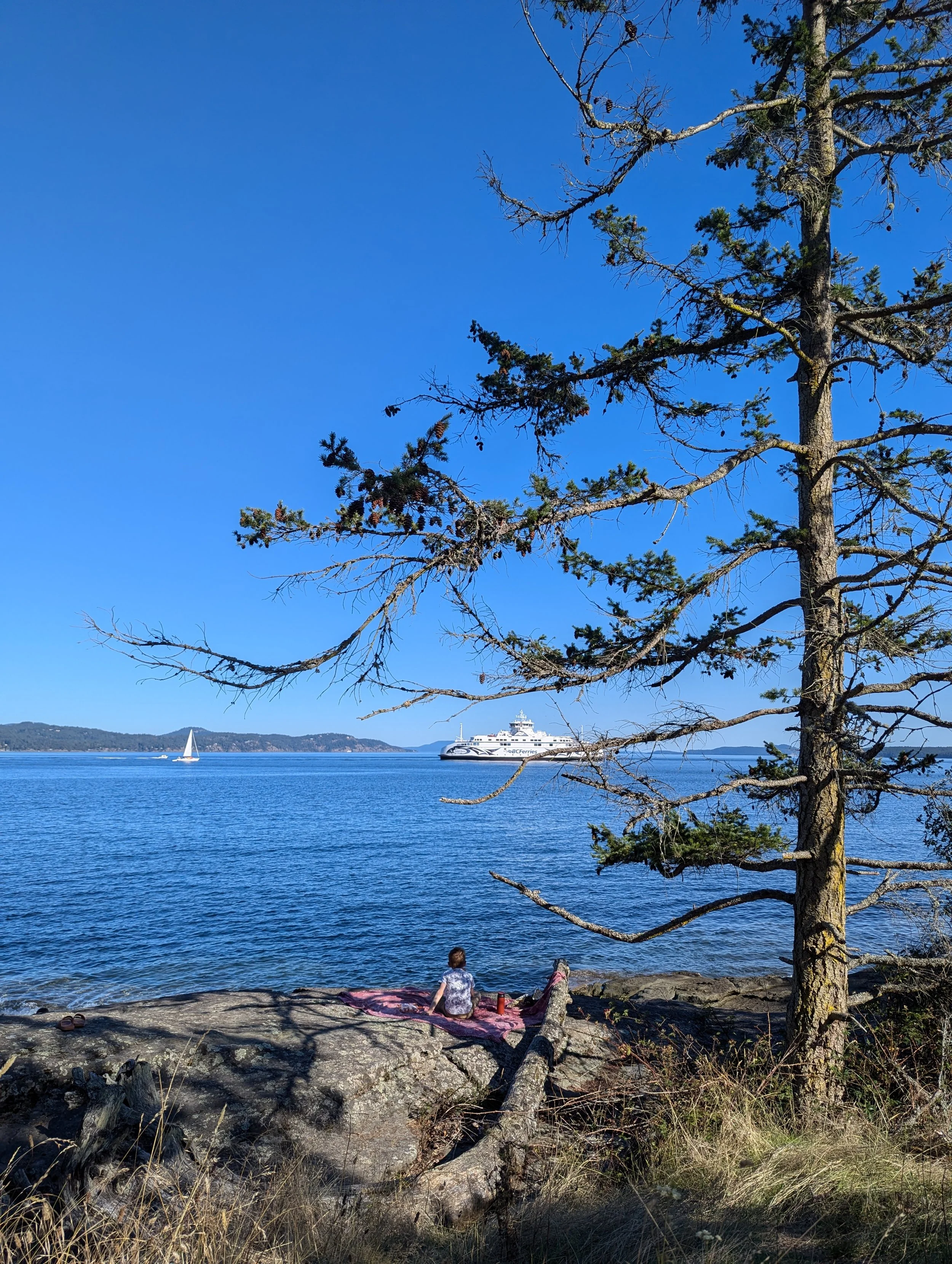
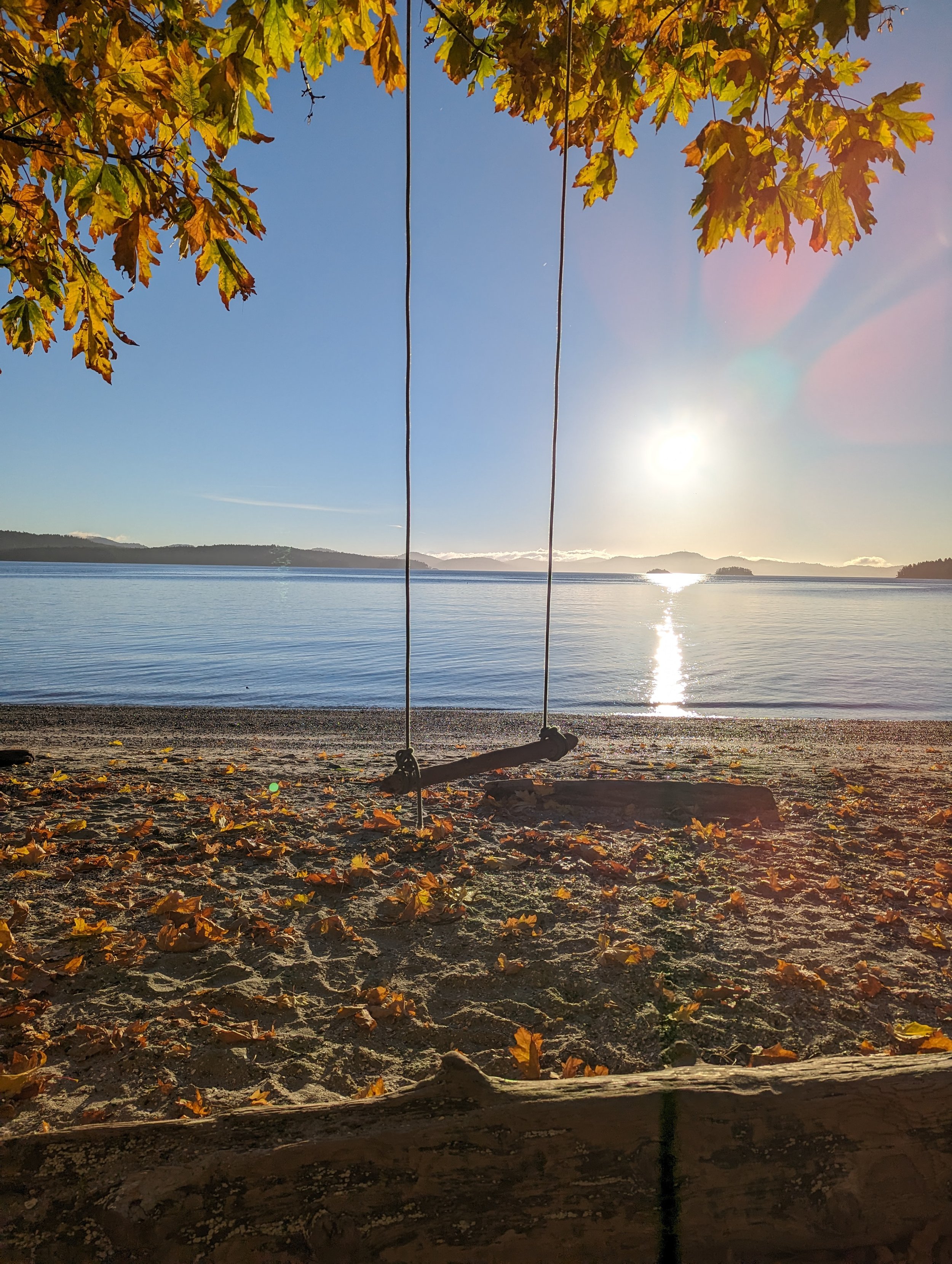
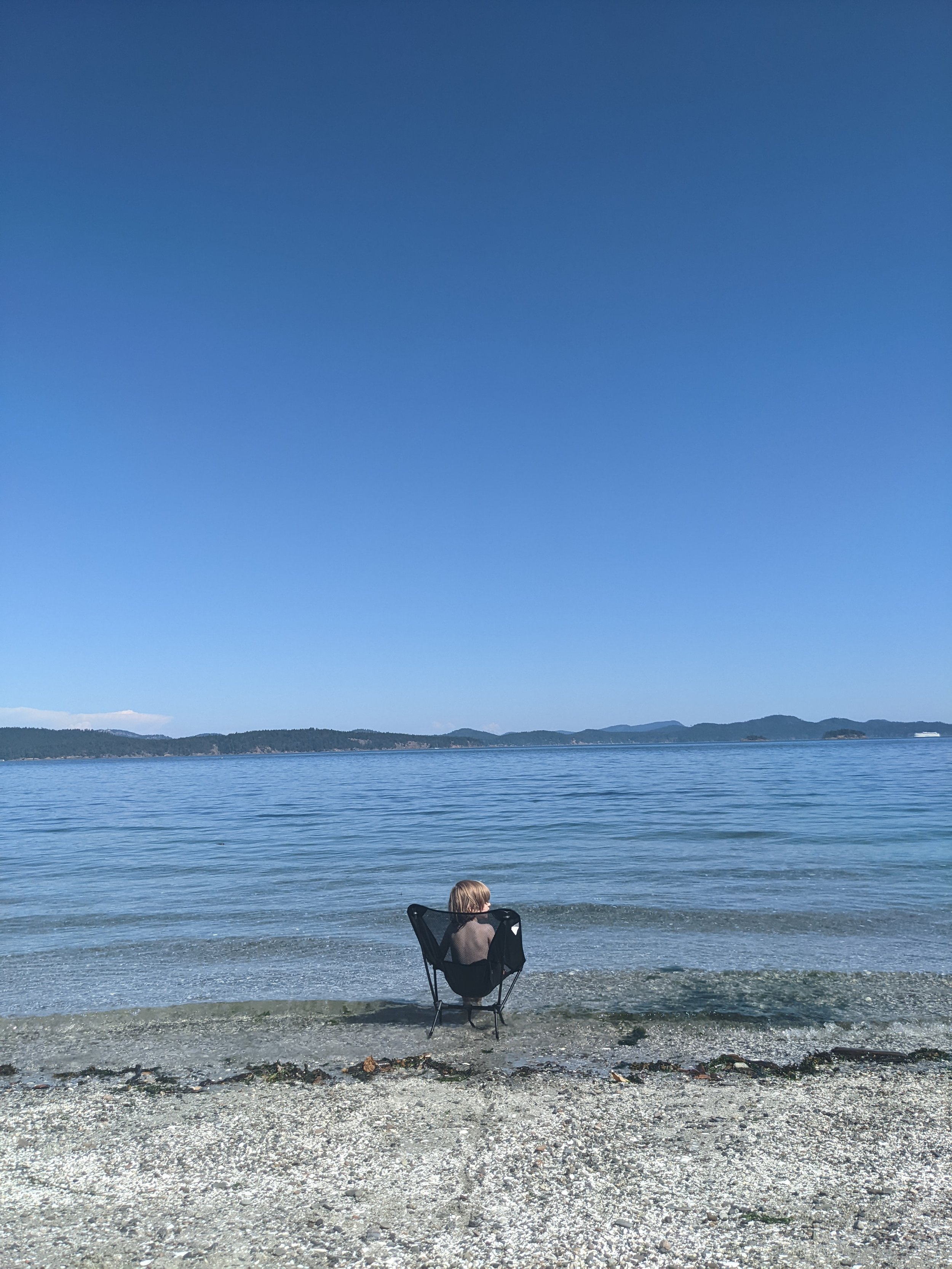
But life in the city also came with its own form of disconnection. Many friendships hinged on partying, and it was easy to become distracted by the churn of urban life and lose touch. When I became one of the first in my circle to have a child, that sense of drift sharpened. By the time my partner and I considered a move, the Gulf Islands offered a promise of something sweeter, slower. I imagined a deeper connection – to both people and the land – than what life in the city offered us at the time.
I settled into island life easily, confident that close friendships would follow. I met other parents on the sidelines of the soccer field and found my way into a network of people who, like us, had moved from larger cities for a pastoral life. The roster of familiar faces grew quickly, as we met many people who we seemed to have a lot in common with. And yet, the fabled village still felt just out of reach.
The logistics of rural life made connection harder in ways I hadn’t anticipated. Managing two small kids at home, with nary a babysitter in sight, made it difficult to organize social plans. Most properties spanned acreages, and nobody really walked anywhere except on trails. Gone were the days of loading the kid into a stroller and meeting a friend for coffee, or casually running into people at events. Here there were fewer places to gather, and therefore fewer opportunities to really connect.
Still, I didn’t wait passively for friendship to find me. Over the years, I joined a book club, served on the school PAC, started a non-profit society, and produced an annual writer’s festival. I ran writing meetups, hosted dinner parties, joined a tennis club, returned to soccer after a twenty-year hiatus, tried jiu-jitsu, joined a pottery studio, and served on boards. My life is full. And yet I often feel unchosen.
How can I know so many people, and yet feel so alone? I have many acquaintances, but very few people who could drop by and shoot the shit in my messy kitchen. I became plagued by questions and self-doubt. Why did this feel so hard? Was it me? Had I misunderstood friendship entirely? Maybe I was trying too hard, or not enough. Has the scaffolding I built to support a well-managed life become a moat that keeps people away?
What I’ve come to believe is that the problem of friendship is not personal, but structural. Deep friendship demands a willingness to “waste” time together. It’s redundant. It’s inconvenient. Meanwhile, our modern life and careers have trained us to value efficiency, independence, and productivity above all else. Waste nothing, especially not time.
I caught myself wondering what I had to offer as a friend, as if this connection was something that could be optimized, counted, or earned. The question itself reveals the problem. Shouldn’t we, as we are, be enough?
These days, unannounced visitors are a thing of the past. If anyone calls instead of texts, I immediately assume there’s an emergency. Smartphones and social media have replaced the informal rituals that once sustained closeness. When I scroll through Instagram, it suggests that everyone else has already found their people. It screams that the village exists, just not for me.
And while I may assume I’m the only one struggling with this, I suspect that many of us feel the same dissonance. We are surrounded by people, with busy lives that are full of entry points to connection, yet feel more alone than ever.
Showing up is enough. Wanting connection is enough. It isn’t our character that’s been eroded, but the infrastructure of friendship itself. Somewhere along the way, we unintentionally dismantled the habits that made closeness possible: unplanned phone calls, movie nights, supper clubs, tea parties. I’m of an age where we used to have friends’ telephone numbers written on a piece of paper taped to the inside of a kitchen cupboard. We called from landlines, we gabbed for hours. Once upon a time, I even had pen-pals.
I don’t know exactly how to rebuild all of that, but I do know this: I miss the kind of friendship that punctures the over-structured life. I miss the kind of friendship that disrupts my calendar with belly-laughs. I yearn for the ease of comfortably shared silence, and the relief of not having to perform or prove my worth. I miss the kind of friendship that doesn’t demand I add value to the equation in order to earn an invitation.
The village I imagine doesn’t have a secret key or password. The gates are wide open.
Friendship isn’t meant to fit neatly into our lives. Let’s let friendship chew on and spit out well-planned logistics to make way for the mess of everyday life. Show up imperfectly, and try to be a good friend. And believe that somewhere out in those vast acreages or bustling cities, you have a ride-or-die who’s waiting for a phone call.