Tiny Beats, Big Benefits: What Canadian Parents Really Want From Music Programs for Babies and Toddlers
Written by Jen Neales
Tiny Beats, Big Benefits dives into the heart of why Canadian parents are flocking to baby and toddler music programs – and it’s not what you’d think. It’s less about raising little Mozarts, and more about sparking connection, confidence, and calm in the beautiful chaos of early parenthood. From bonding through song to finding rhythm in routine, this piece uncovers how music is quietly transforming family life, one tiny beat at a time.
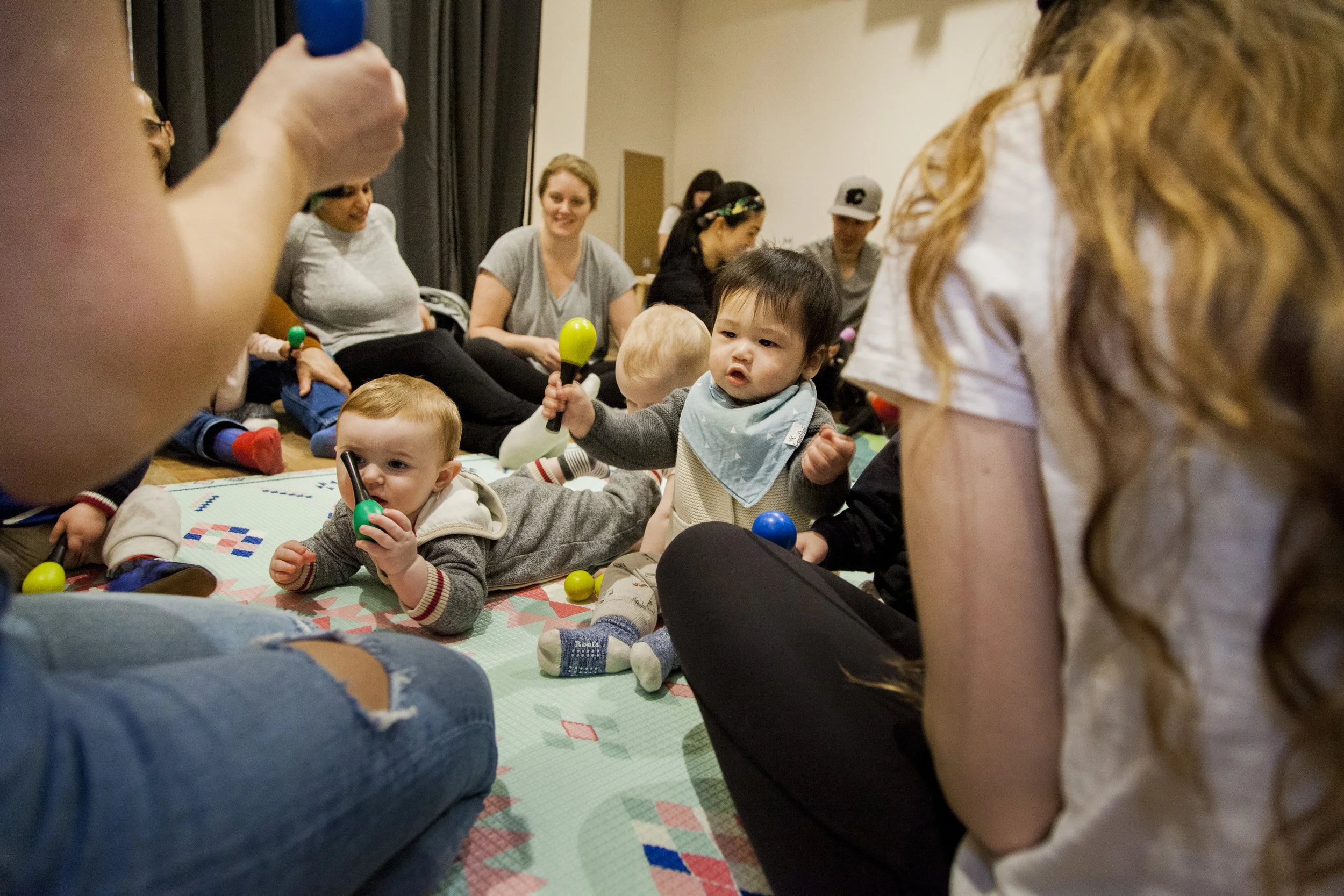
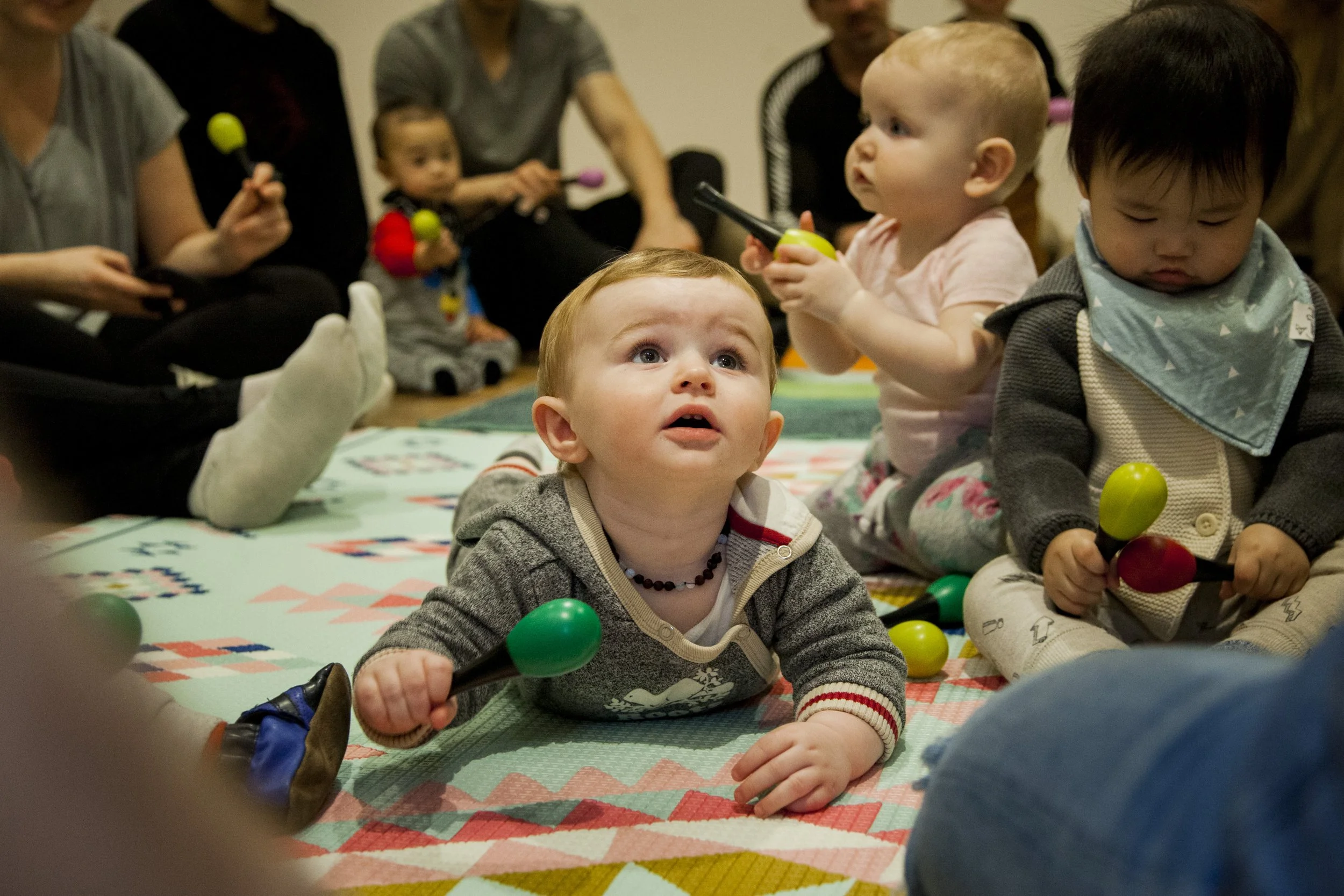
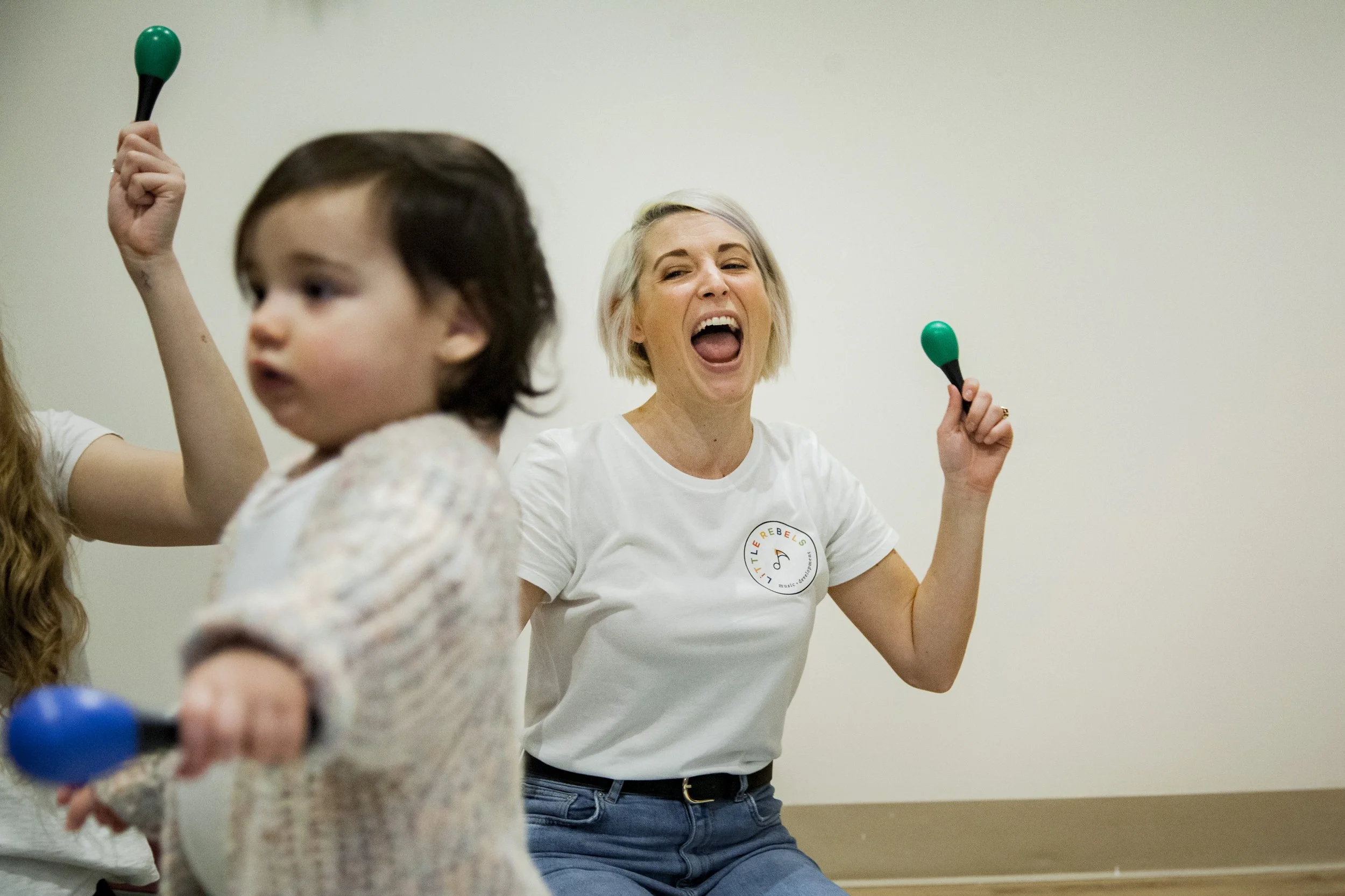
Walk into any parent-baby/toddler music class in Canada and you’ll see it: the gentle bounce of a baby on a parent’s knee, the mix of excitement, chaos, and tenderness that comes from tiny hands discovering big sounds, the delighted shriek when the shaker rattles, or the small miracle of a toddler keeping the rhythm for the first time. But what really draws parents to these classes? It’s more than just cute videos for the grandparents – it’s connection, confidence, and a quiet hope that music might unlock something magical inside their child.
As someone who has been using music and development with infants, babies and toddlers for the better part of 25 years, I’ve seen thousands of Canadian families join us in classes, and their expectations – what truly matters to them – reveals a fascinating blend of heart, science, and practicality. Because the goal isn’t to raise a virtuoso. It’s to find a space that encourages musical expression that’s joyful, meaningful, and grounded. Something that nurtures their child’s development and feels doable in the everyday rhythm of Canadian family life.
It’s All About Connection
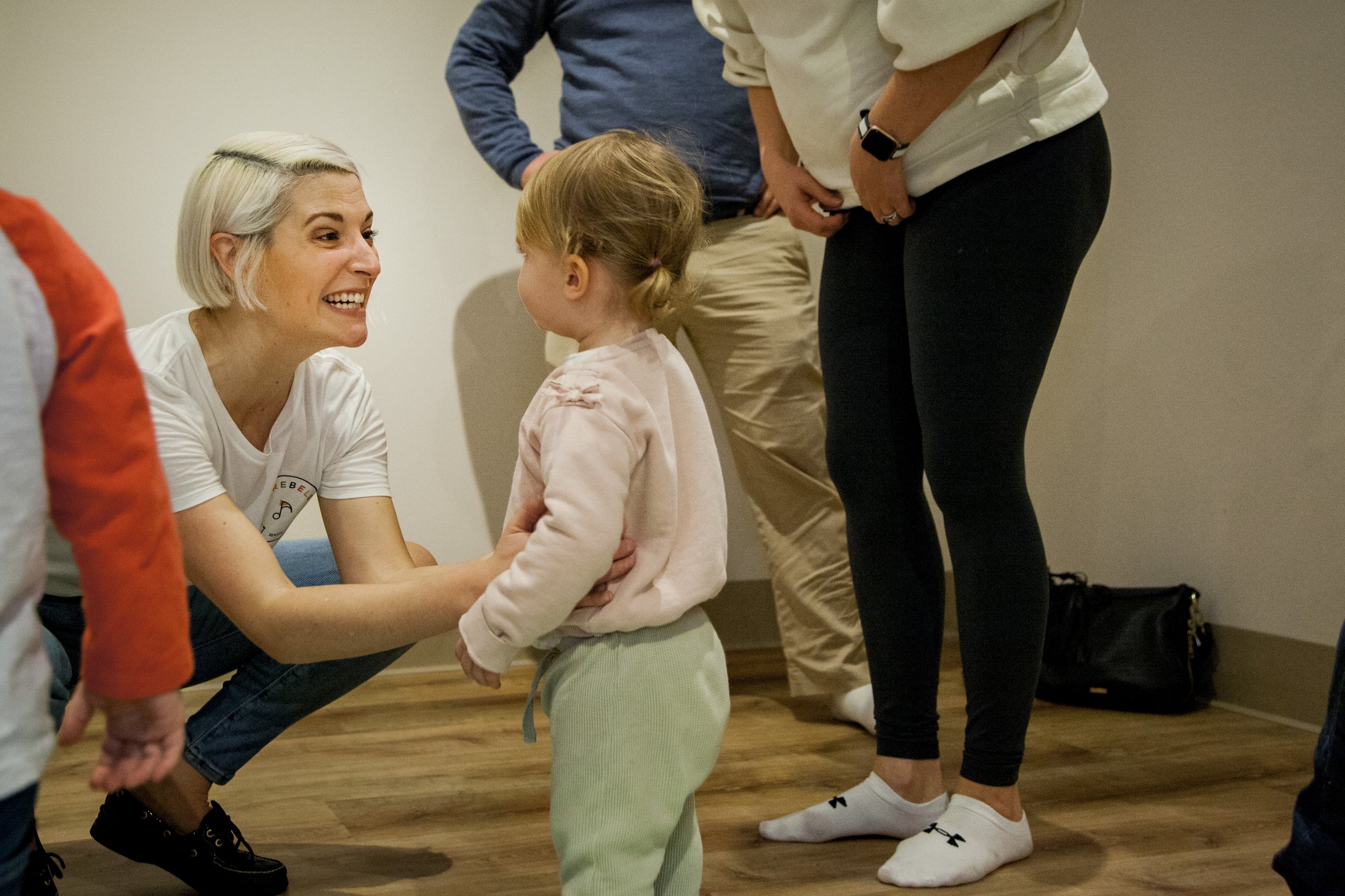
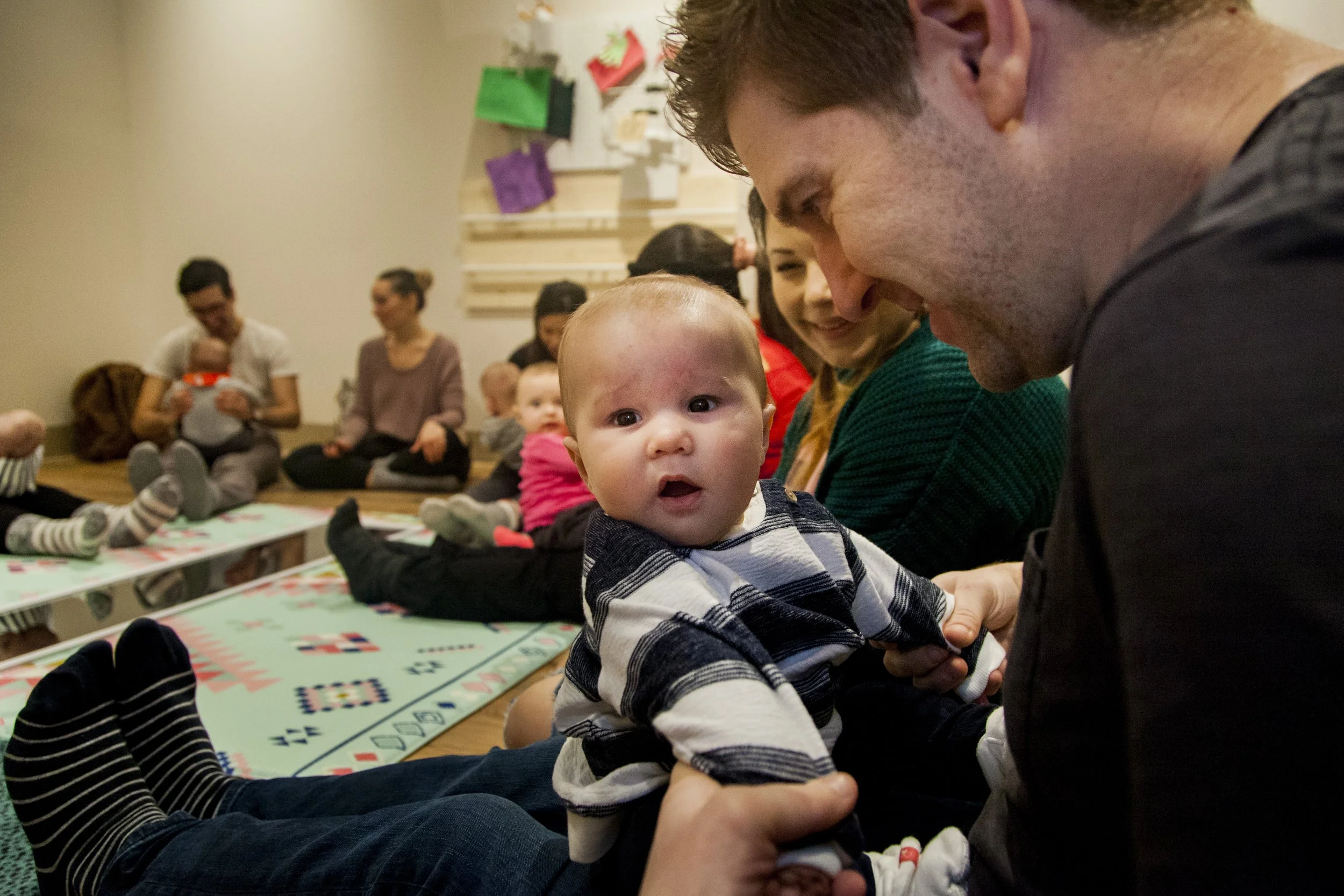
Above all, parents are chasing connection. The first year of life can feel like an endless loop of feeding, sleeping, and guessing what the baby’s cries mean. A music class gives parents something precious: a way to communicate with their little one.
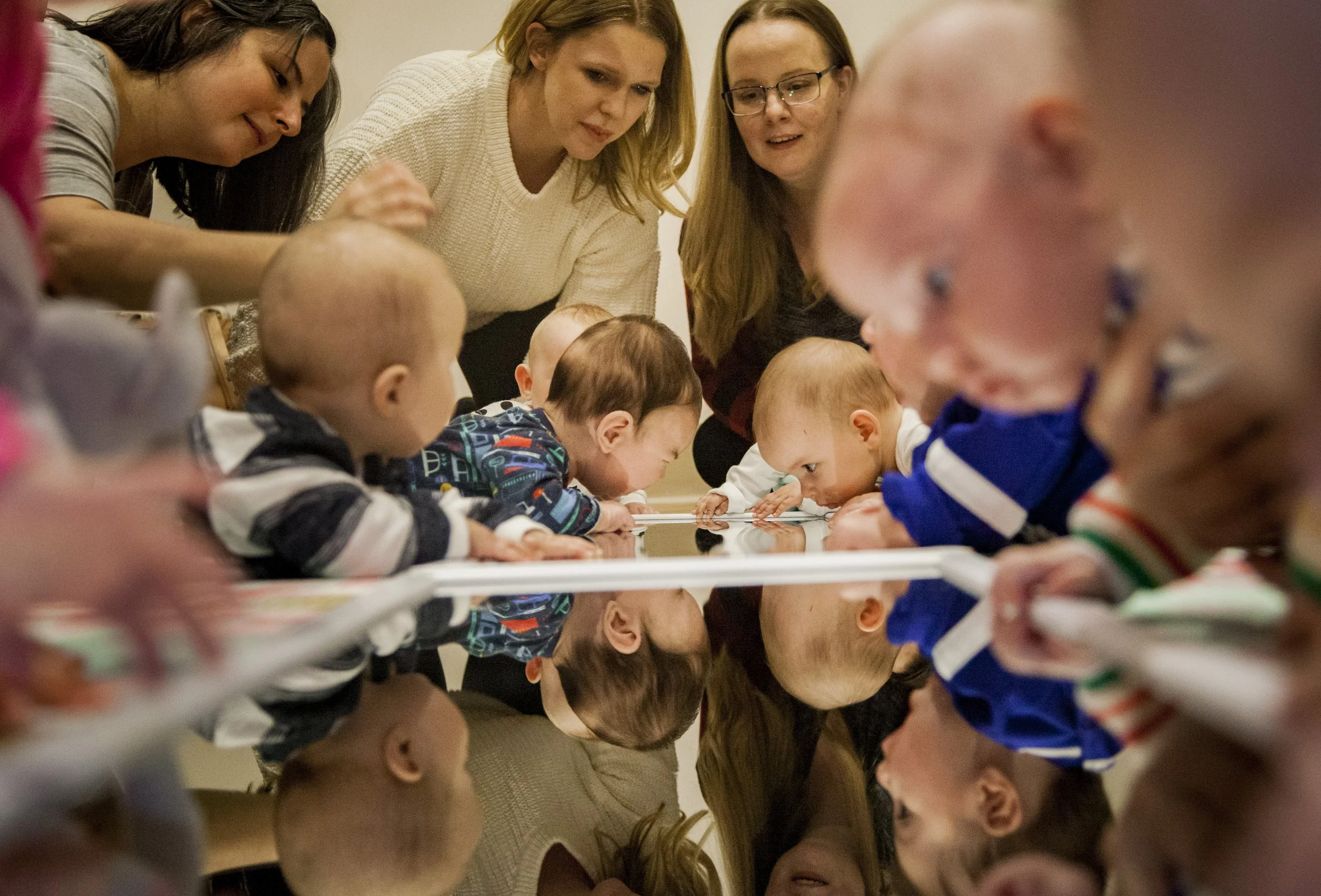
Research shows that joint music-making boosts emotional bonding and early communication. When a baby watches your mouth form sounds, tracks the rhythm of your rocking, and feels your chest vibrate as you sing, they’re learning that connection has sound.
Development in Disguise
Parents may enroll for fun, but they stay for the brain science. Studies from institutions like McMaster University (yes, Canada’s own hotbed of infant music research) and UBC prove that musical play enhances babies’ language processing, attention, social cues, and motor coordination.
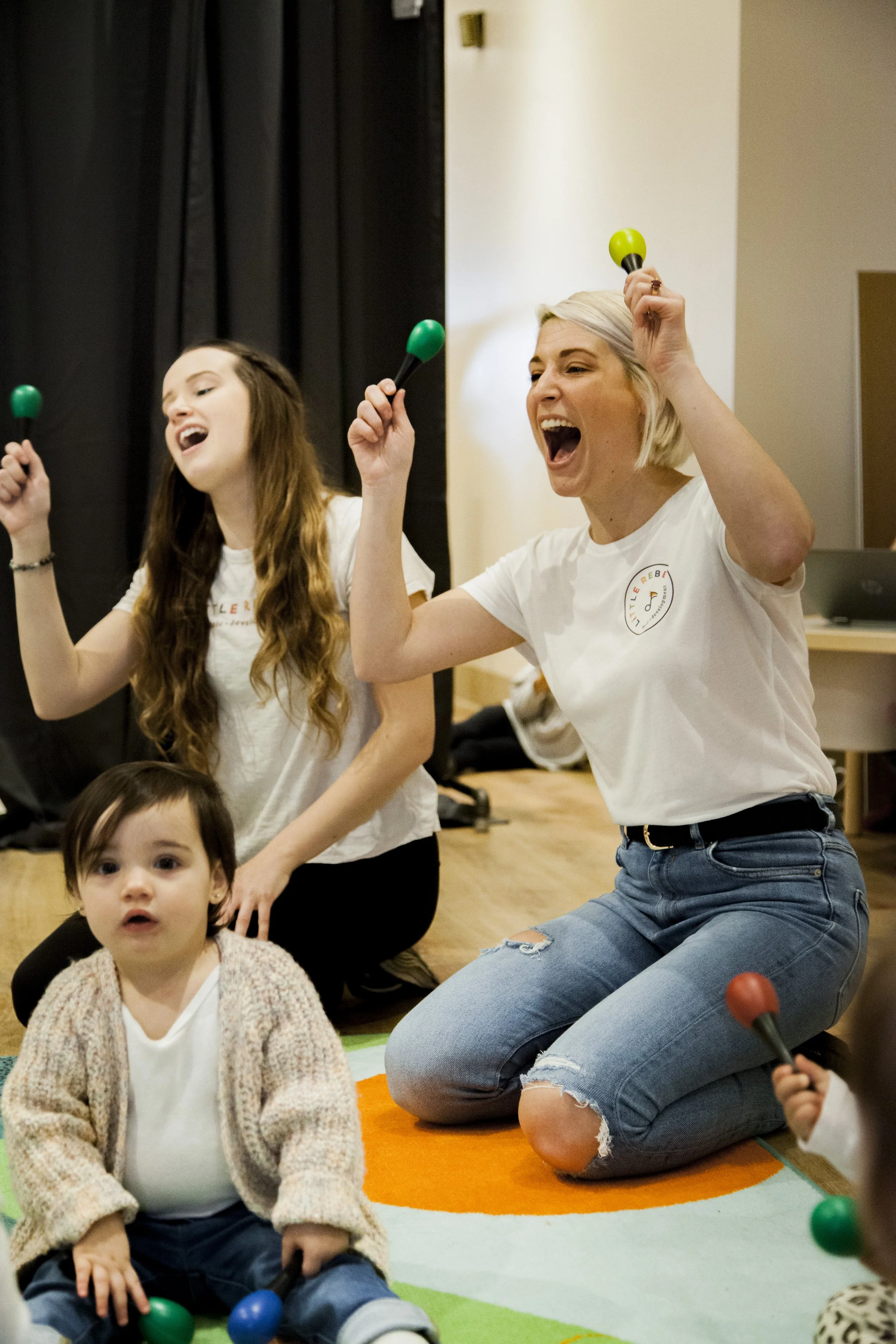
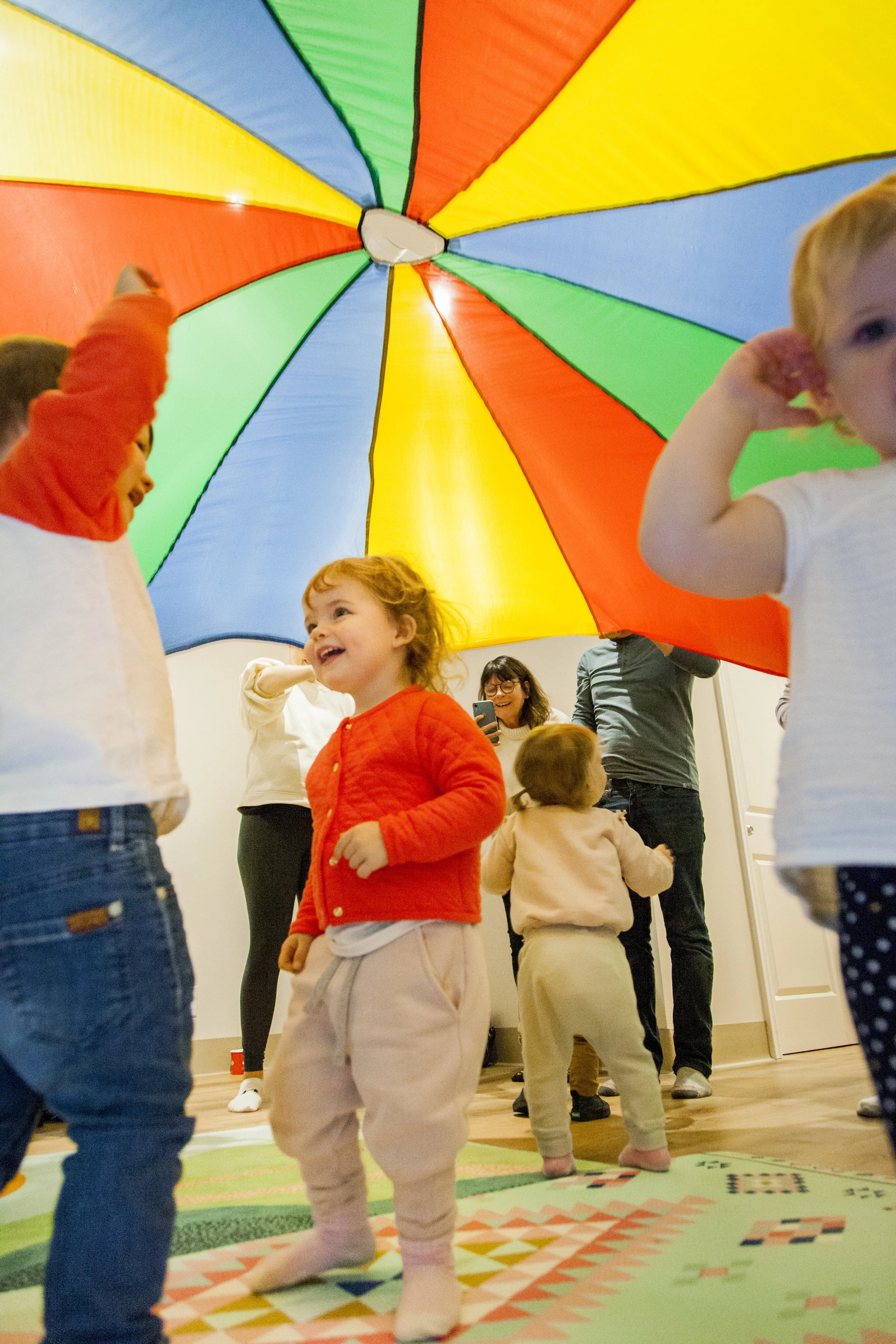
But here’s the key: those benefits come from active participation; essentially, music classes that are hands-on. When caregivers and children move, sing, and explore rhythm together, when instructors explain why each activity matters. From movement to using props like a parachute, maracas, bells, and balls – this all builds connection, trust AND neuro pathways to language learning!
Safe, Warm, and Canadian-Practical
Let’s be real: wrestling a stroller along unpaved sidewalks is a challenge, but Canadian parents are up for it when they know they’re heading to an inclusive space where every temperament – from the quiet observer to the energetic explorer – is welcomed. Good instructors understand that “participation” sometimes looks like watching quietly from a parent’s lap, and it also sometimes looks like the zoomies.
The best programs build in that flexibility and adaptability, along with a warm, low-pressure atmosphere.
The Power of Continuity, Predictability, and Routine
While a one-off class can be delightful, parents increasingly want something more: a journey week to week, in class and at home. They’re looking for programs that evolve with their child, programs that extend into daily life. Like songs they can sing during diaper changes, rhythms that show up in the kitchen, melodies that calm the car ride home. Because when music becomes part of bedtime routines, meal prep, or car rides, it’s no longer just a class. It’s a family language.
We know Canadian families appreciate routines that support focus without feeling rigid. That’s why they value a familiar rhythm to programming: a welcoming song, playful toy and musical exploration, movement, and a calming close.
Predictability helps tiny humans (and us grownups) know what to expect, helping parents relax into the experience. As one mom from Ottawa told us, “It’s the one activity where I don’t feel like I’m chasing the class. The class fits us.”
Why This Matters Now
Group music classes matter now because they bring people together in an increasingly isolating world.
Group music classes are about giving children and caregivers a shared space to listen, respond, and feel. Parents aren’t looking for perfection — they’re looking for people who see their children. For Canadian parents, that matters deeply. It’s a cultural fit too: we prize community, inclusion, and a good reason to get out of the house when the windchill hits –20 °C.
So whether it’s a French-English singalong in Chelsea, Quebec, a folk-inspired tune in Calgary, Alberta, or a jam session in Toronto, Ontario the trend is clear: parents want programs that combine emotional connection with developmental depth.
If you’re choosing a music program for tiny humans in Canada, think of these guiding rhythms:
Bonding first. Find a program that inspires joyful connection.
Development through play. Find a program that hides the learning inside the laughter.
Authenticity. Find a program that builds relationships with each of its families.
Practical kindness. Find a program not only encouraging but promoting kindness, compassion, and inclusivity through music and play.
Because in the end, music for babies isn’t about producing mini performers, it’s about building healthy connections; to themselves and those around them. And what could be more Canadian than that?