Stop Sleeping in Old T-Shirts: How Your Pajamas Are Sabotaging Your Hormones
Written by Cathy Rust
This article explores how common sleepwear choices — especially old cotton or synthetic T-shirts — can intensify night sweats and disrupt hormonal sleep. By breaking down fabric science in plain language, it explains how moisture management, breathability, and thermoregulation affect temperature swings, stress hormones, and next-day energy. Readers will also find practical tips for creating a better sleep system in Canadian homes, from ideal bedroom temperatures to smarter bedding layers.
You crawl into bed in your soft, worn-in (possibly holey and faded) T-shirt and drift off to sleep.
At 2:17 a.m. you wake up drenched. You throw off the covers because you’re burning up. Just as you’re about to fall asleep again, you’re freezing — still damp — so you pull those covers back on.
You repeat this cycle several times and drag yourself out of bed in the morning with another long day ahead.
You assume it’s just night sweats. Nothing you can do.
But what feels comfortable at 10 p.m. may be sabotaging your sleep at 2 a.m.
Why Night Sweats Feel So Extreme — and Why They Wreck Your Day
During perimenopause and menopause, fluctuating estrogen affects your body’s temperature regulation. Your internal thermostat becomes hypersensitive. Your tolerance window for heat and cold shrinks.
Your brain suddenly signals: Too hot. Blood vessels dilate. Sweat glands open. Your heart rate increases to cool you down.
Then the sweating stops — and your temperature drops quickly. That’s the chill phase.
If this cycle wakes you multiple times per night to flip covers or change clothes, you don’t spend enough time in deep sleep or REM — the stages responsible for physical repair, memory consolidation, mood stability and immune function.
Fragmented sleep also drives up stress hormones like cortisol. Elevated cortisol affects energy, cravings, mood, and resilience the next day.
Night sweats aren’t just uncomfortable. They’re hormonally disruptive.
And surprisingly, what you’re sleeping in can either calm or intensify that cycle.
The Fabric Problem: What Old Tees Actually Do
Cotton
Cotton is a wonderful natural fibre. It’s breathable (depending on thickness) and soft. But it is also highly absorbent — holding up to 25 times its weight in water.
That’s why towels are made from cotton.
The problem? Cotton doesn’t release that moisture quickly.
When you sweat into a cotton t-shirt, it absorbs the moisture and holds it against your skin. As your body cools, that wet fabric becomes cold and damp — amplifying the chill phase.
It’s like sleeping in a damp dishcloth.
Polyester and Blends
Polyester doesn’t absorb moisture — it traps it.
Because it’s plastic-based, it’s less breathable and can trap heat between your skin and the fabric. Moisture sits on the surface, often feeling clammy before it finally evaporates.
That trapped heat can trigger another overheating episode, restarting the cycle.
Whether cotton or polyester, both can intensify the roller coaster of overheating and overcooling — fragmenting sleep all night long.
Fabric Science in Plain Language: What Actually Helps
When you mix body heat + moisture + hormones, fabric performance matters.
Before hormonal shifts, you could sleep in almost anything and stay asleep. Now, your sleep system needs support.
Here’s what to look for:
1. Moisture Management
Not just absorbency — but release.
You want fibres that pull moisture away from the skin and allow it to evaporate quickly.
Hemp, linen, and Tencel (lyocell) perform significantly better at releasing moisture than traditional cotton.
2. Breathability
Breathability isn’t just about softness. It’s about airflow.
Dense fabrics — even luxury high thread count cotton — can trap moisture close to the body. Breathable fibres with more open structures allow heat and moisture to move away from you as they’re produced.
3. Thermoregulation (Heat Management)
This is often overlooked.
Some natural fibres don’t just cool — they balance. Their structure allows them to release excess heat while holding a small amount in reserve. As your body cools, that stored warmth helps buffer the drop.
The goal isn’t “cooling.”
It’s flattening the peaks and valleys of those temperature swings.

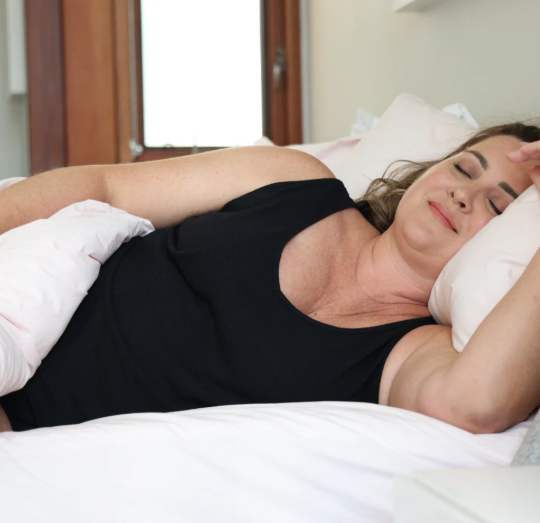
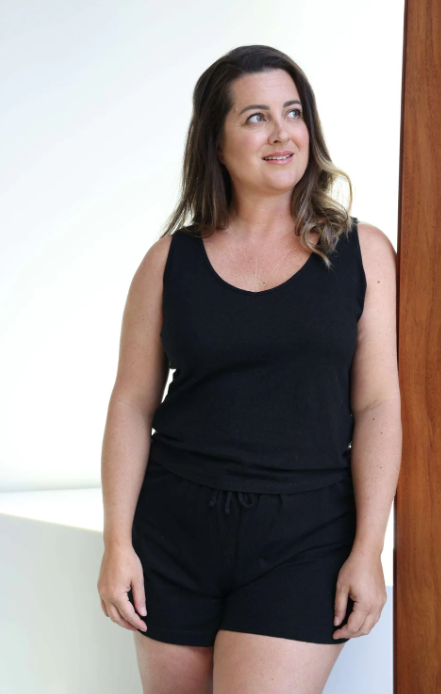
What Happens When Fabrics Work With Your Body
When moisture and heat are managed properly you will experience:
Fewer wake-ups
Less dramatic temperature crashes
Longer stretches of deep sleep
Better next-day energy
Hot sleepers can use the same principles — breathable fabrics with less insulation allow excess heat to escape instead of building up.
Sleep is foundational to hormonal health. Small adjustments in fabric can create measurable differences in comfort and consistency.
4 Small Adjustments
A Bedroom Audit
Thanks to our Canadian climate, your sleep environment changes dramatically by season — and your bedding should too.
Room Temperature Goals
Winter: 16–19°C (61–66°F) Summer: 18–21°C (64–70°F), or as cool as possible
Overheating your home in winter can intensify night sweats. Cooler air helps your body regulate more effectively.
Rethink the Duvet
Heavy polyester-filled duvets (or down, feather or wool) trap heat and moisture.
Instead:
Use breathable wool or cotton blankets or quilts (with cotton batting, not polyester).
Layer instead of relying on one thick comforter.
Keep an extra throw nearby for quick adjustments.
Cotton works beautifully as a top layer because it can absorb moisture away from your sleepwear.Pairing Sleepwear + Bedding
A balanced sleep system might look like:
Hemp/organic cotton sleepwear
Tencel or breathable cotton sheets (200–350 thread count)
Wool or cotton blankets depending on season
Your sleepwear, sheets, and blankets should work together — not compete.
Take the Fabric Swap Challenge
Tonight, swap your old T-shirt for sleepwear (or a shirt) made from hemp, linen, or Tencel. Replace your heavy comforter with layered cotton or wool blankets.
Notice:
Do you wake up less often?
Do you feel less clammy?
Are the temperature swings less dramatic?
You may not eliminate night sweats entirely. But you can reduce how extreme they feel.
Sleep is not a luxury. It’s biological maintenance.
If night sweats are stealing your sleep, start with what’s touching your skin.
Because that old T-shirt wasn’t designed for hormonal temperature swings — and your body deserves better support than that.
If you’d like a deeper dive into how fabrics affect night sweats — and how to build a better sleep system — visit our Night Sweats Start Here Guide.