The Intimate Care Aisle Is in Major Need of a Shakeup
Written By Rachael Newton, CEO and Founder of Nixit
We ask what’s in our serums, shampoos and snacks. So why aren’t we asking the same thing about our condoms and lubricants?
Clean beauty stepped into the spotlight years ago, and we really never looked back. Consumer mindsets shifted: we started asking what was in our serums, shampoos, and makeup, and expecting brands to be transparent about their ingredients.
But while beauty has moved forward, the intimate care aisle is still lagging behind.
Walk into almost any store and you’ll see the same black and gold packaging, the same very male-centric language and the same products many of us have been buying without ever really choosing them. When it comes to condoms, especially, plenty of women simply reach for whichever brand their partner already uses.
I don’t think many of us even question it. Maybe it’s time we do.
Do You Know What’s in Your Condoms?
In Canada, condoms are regulated as medical devices. Health Canada evaluates medical devices for safety, effectiveness and quality before they are authorized for sale. But the labelling requirements are different from those applied to cosmetics.
Medical-device labels must include information such as the product and manufacturer names, expiry date, intended use, directions and storage conditions. A complete ingredient list is not one of the standard requirements. That means the formulations used in pre-applied lubricants and other components aren’t always easy for consumers to identify.
That doesn’t mean the products on shelves are inherently unsafe. It does mean we’re often being asked to use something in one of the most sensitive areas of our bodies without being given the complete picture.
For anyone with sensitive skin, allergies or a history of irritation, that information matters. Some people have true latex allergies, but irritation can also be connected to other components, such as certain spermicides, fragrances or lubricants. Even major health organizations recognize that ingredients and pH matter when a lubricant comes into contact with sensitive vaginal tissue.¹
We deserve to know what we’re using. And knowing what's in a product is really just the beginning. The harder shift is refusing to settle for one that doesn't serve us. For too long the bar has been "good enough" - we reach for whichever option feels less bad and learn to live with the rest. So many of us land on condoms almost by elimination: not wanting hormonal birth control, quietly accepting that a bit of irritation is just the trade-off. That shouldn't be how we think about our health. The question isn't which product irritates us least; it's why we're using something that irritates us at all. Resetting that baseline - choosing something that isn't going to irritate or inflame, full stop - is the conversation we should all be having.
What Does “Vagina-First” Actually Mean?
When I talk about vagina-first formulations, I mean products designed to support the vaginal environment—not products designed around outdated conventions and then marketed to women as an afterthought.
That means paying attention to pH, comfort, and common irritants. It means making ingredient information easy to understand. And it means remembering that vaginal health is part of our overall well-being, not something embarrassing that needs to be hidden away.
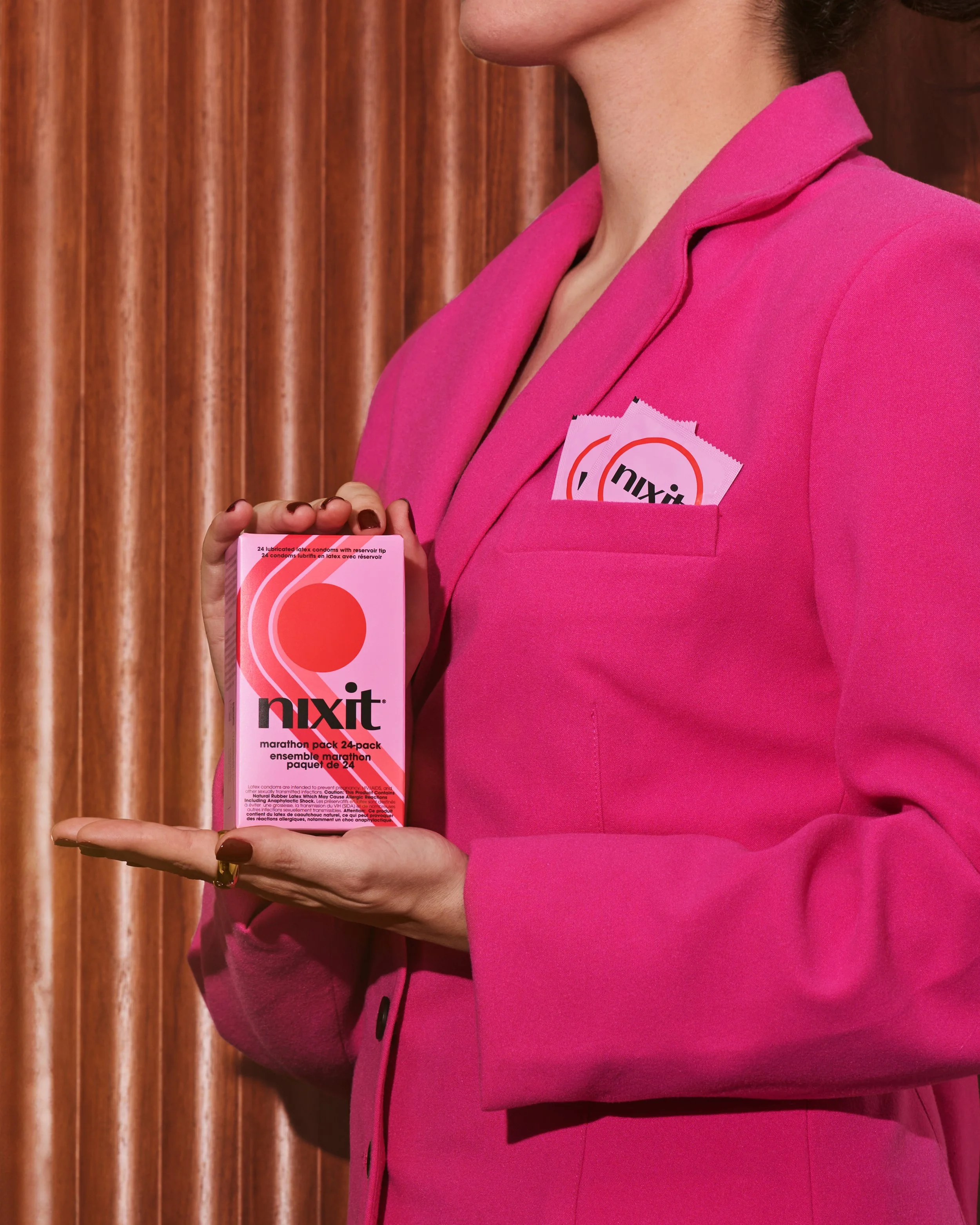
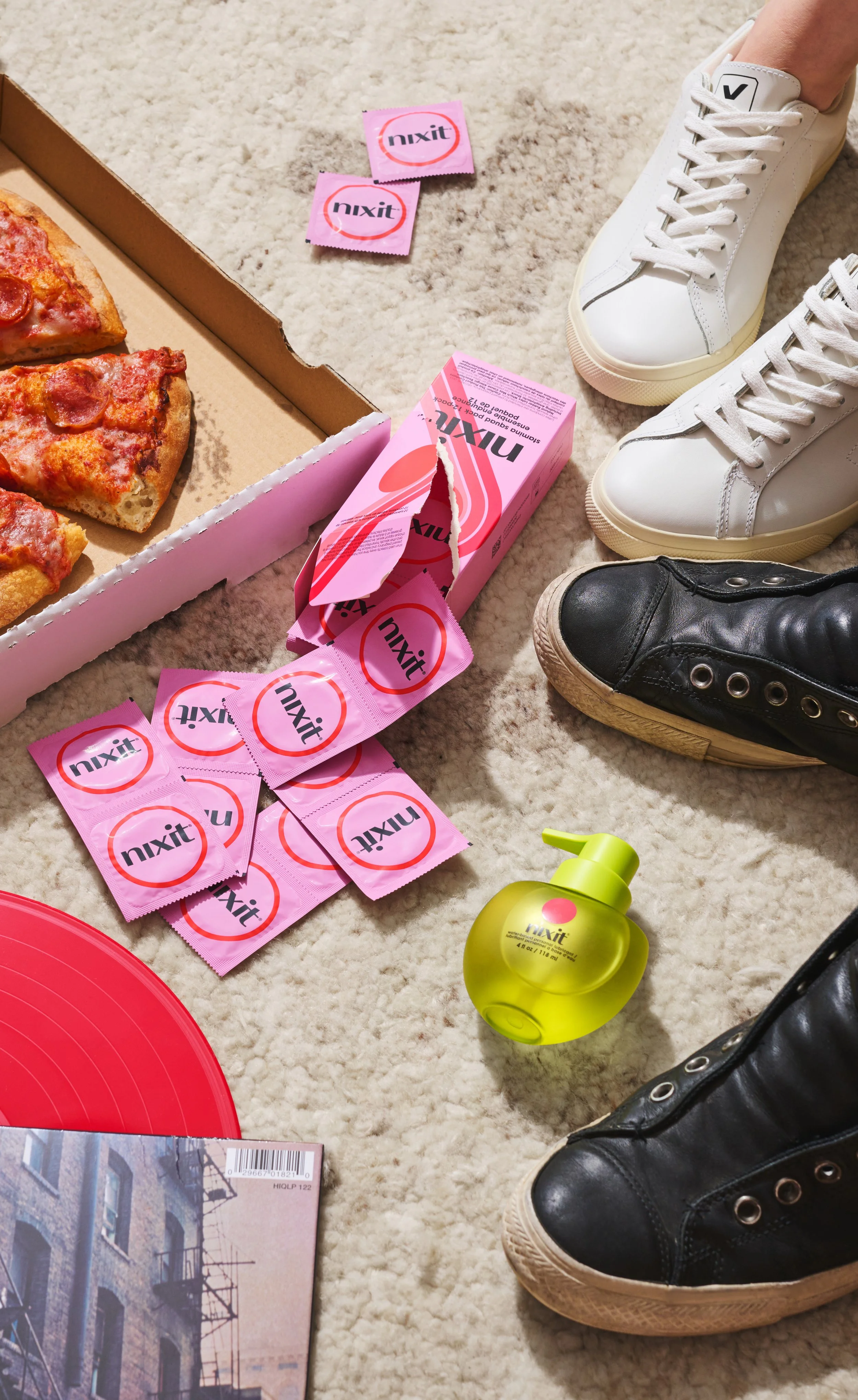
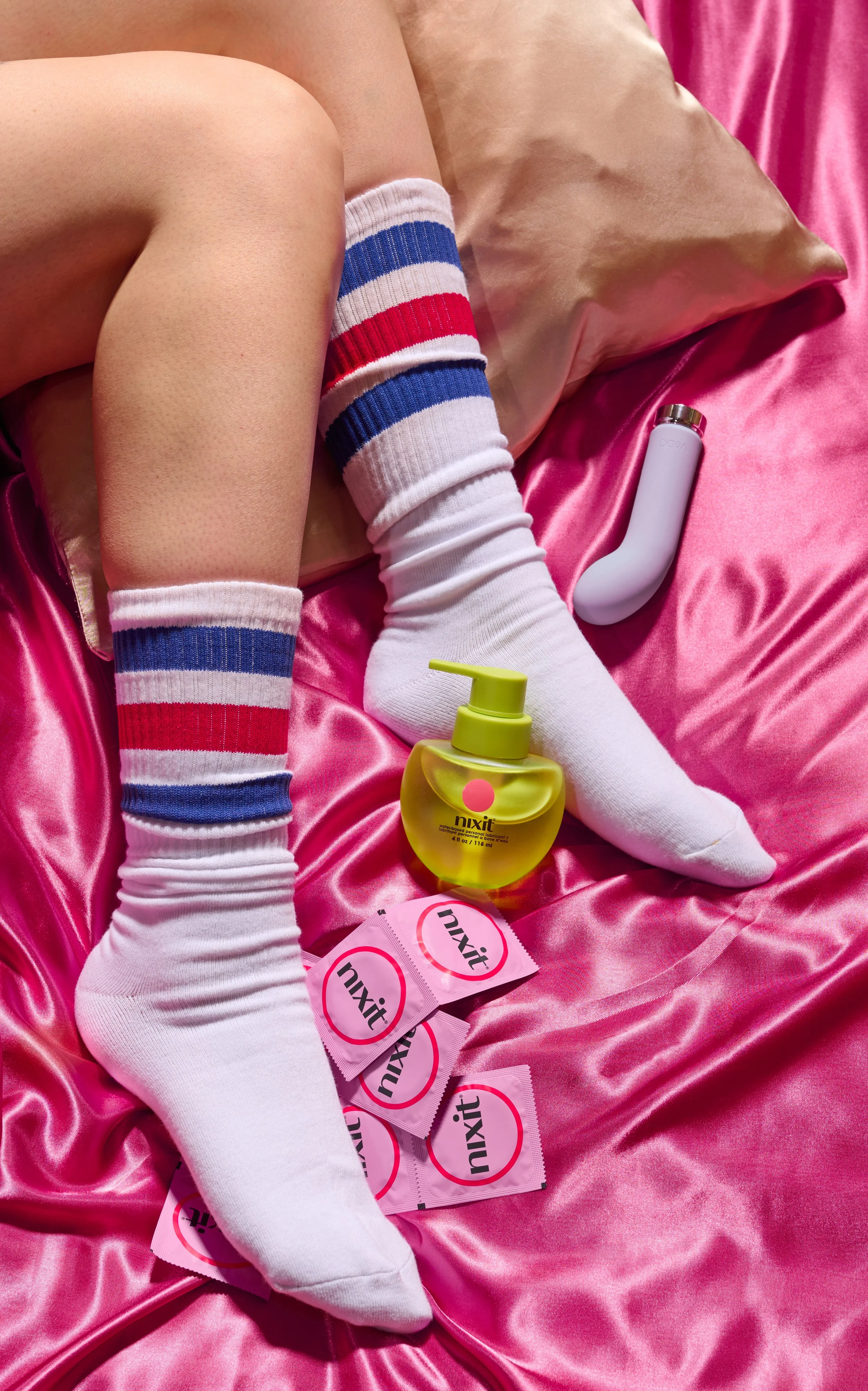
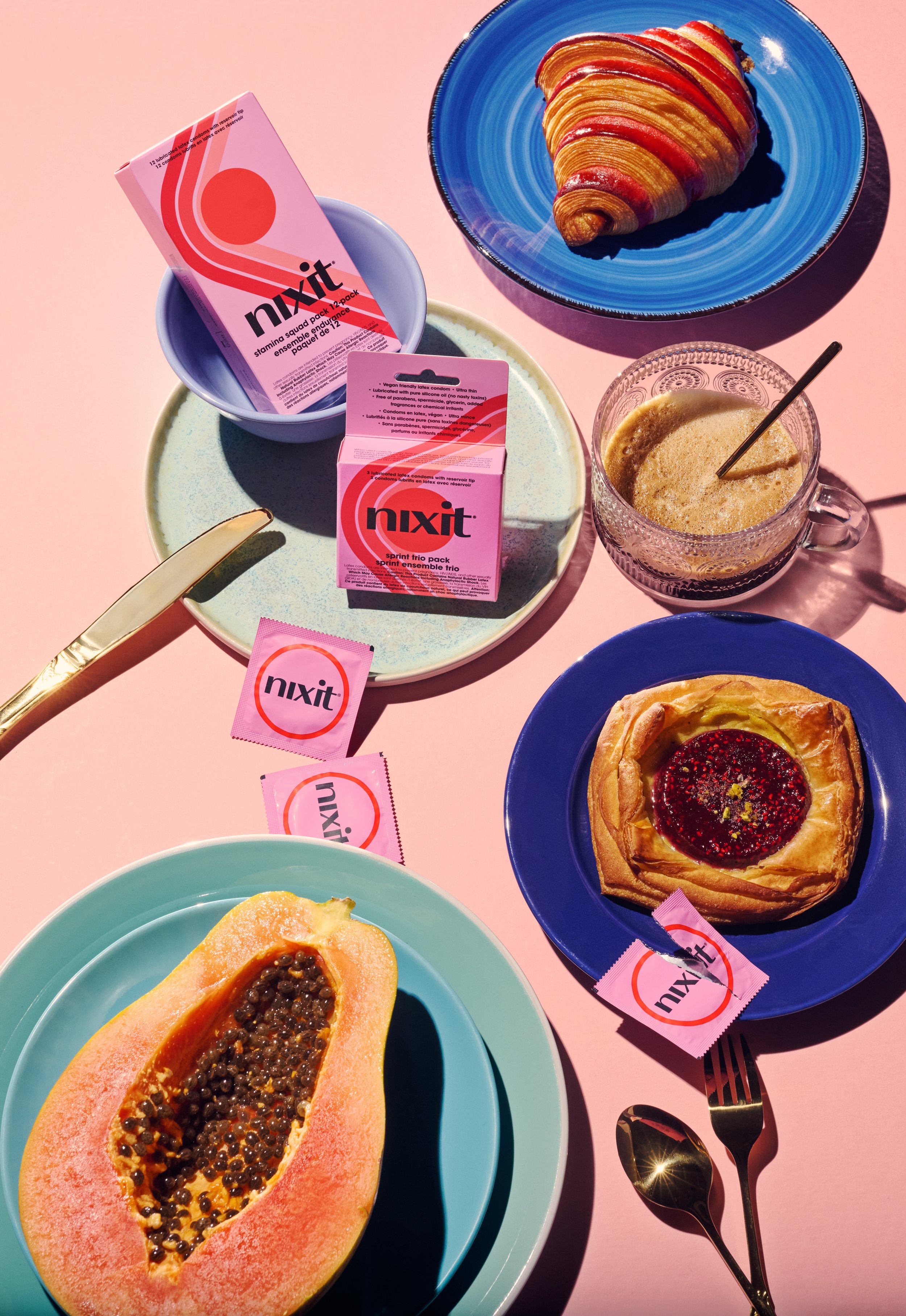
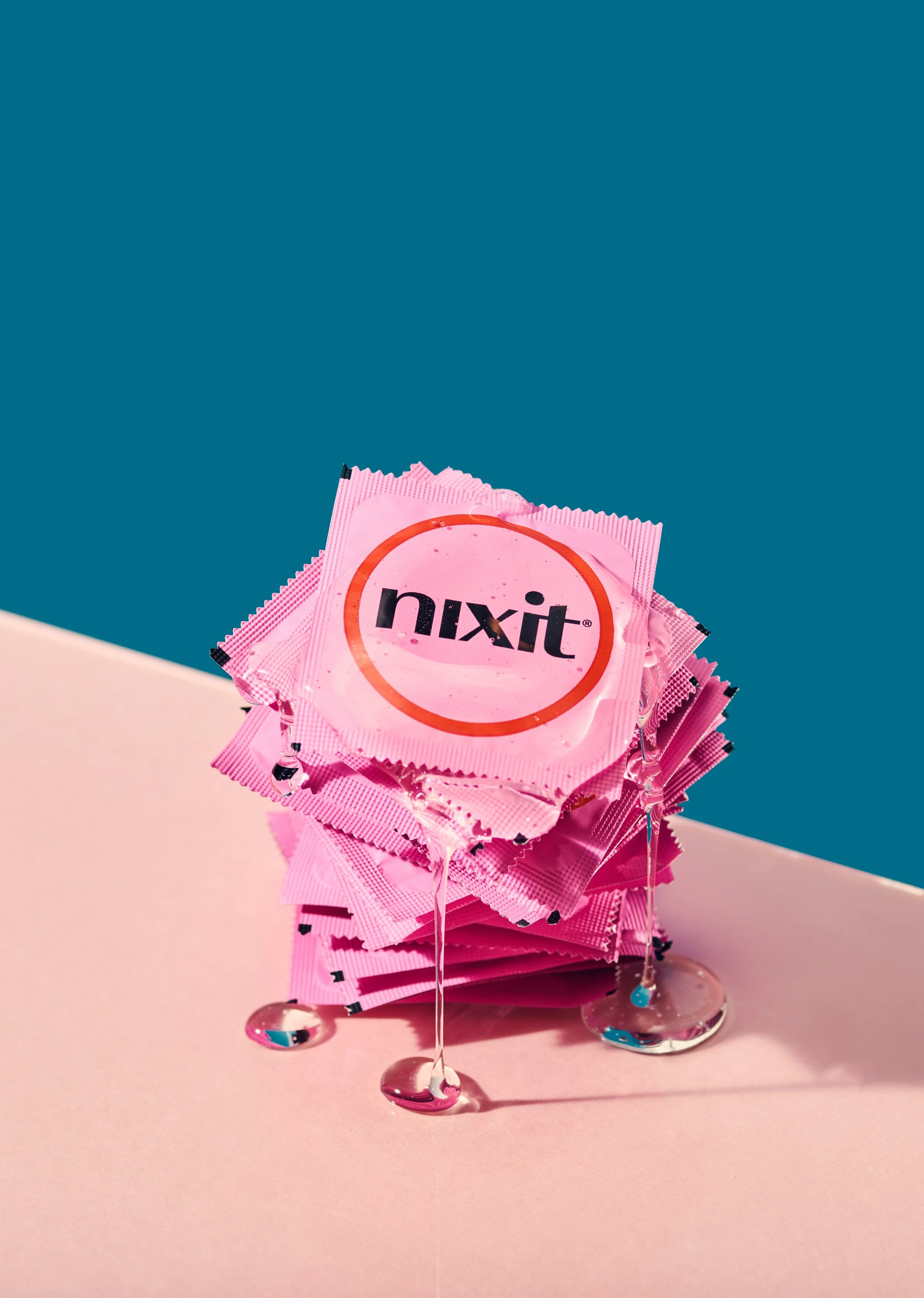
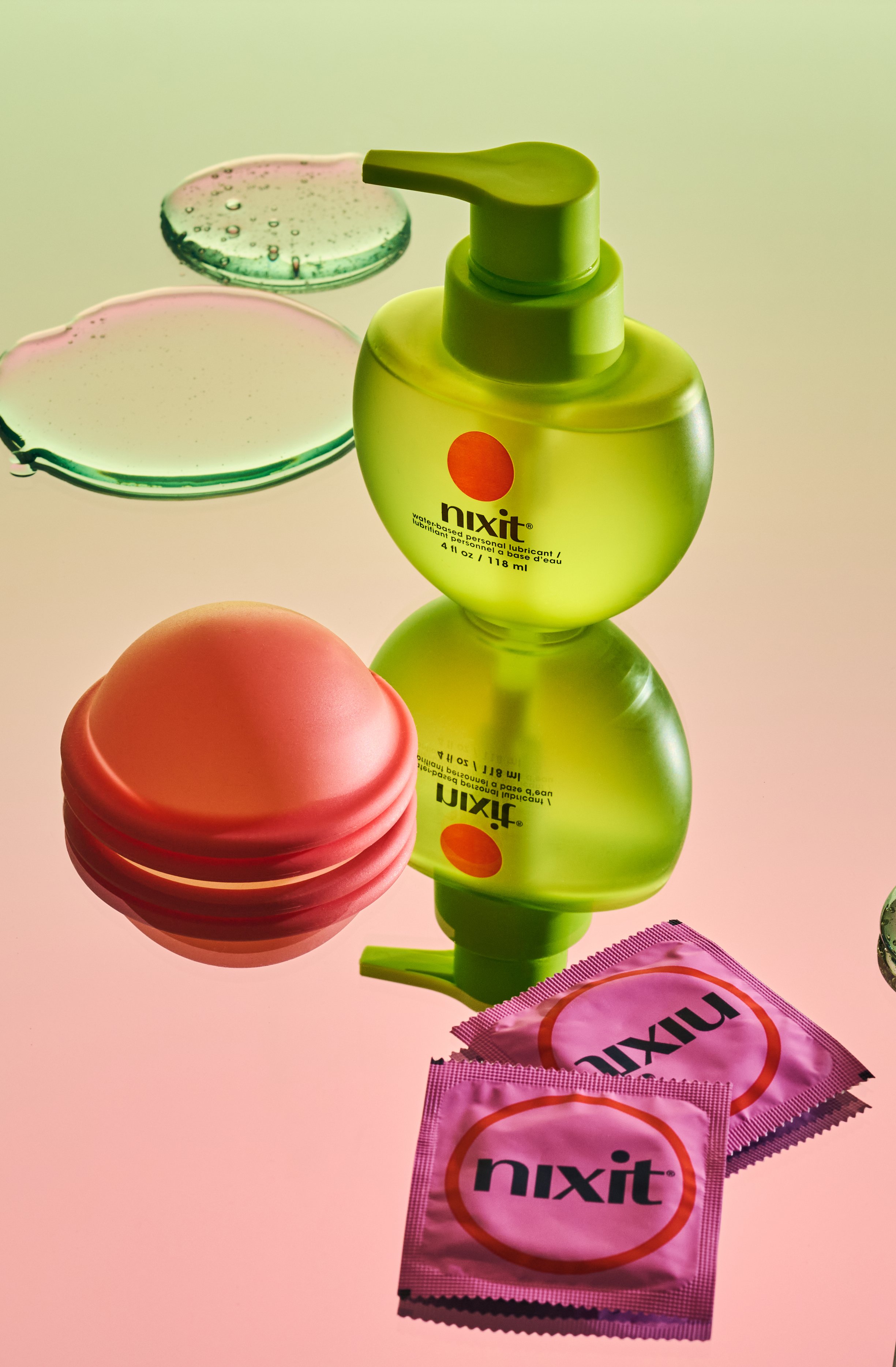
That’s the standard we’ve built nixit around. Our condoms are lubricated with pure silicone oil and made without spermicide, parabens, glycerin, dyes or fragrances. Our water-based lubricant has a thicker, aloe-based formula that is pH-matched to vaginas and made without glycerin, silicones, alcohol, petrochemicals or fragrance.
It sounds simple, but this level of consideration still feels surprisingly new in the intimate care aisle.
From Period Care to Something Bigger
I founded nixit in 2019 after looking for a period product I could actually rely on. After having my two children, I wanted something comfortable, simple and better suited to real life. That search led to our reusable menstrual disc - but it also made me think more critically about everything we use in and around our bodies.
I soon realized the same gaps existed beyond period care. Condoms and lubricants were still being designed and marketed without enough consideration for the person whose vagina they would actually be touching. So nixit grew, guided by the same philosophy: better ingredients, better design and products made with vaginas in mind.
Let’s Make Intimate Care Something We Actually Choose
I’m here to help start the conversation and to encourage more of us to ask the questions we may never have thought to ask.
Questions like: Why shouldn’t women carry their own condoms? Why can’t we celebrate using lube - not because something in us is broken, but simply because it feels good? And why shouldn’t these products look great on a bedside table or feel natural to carry in a purse?
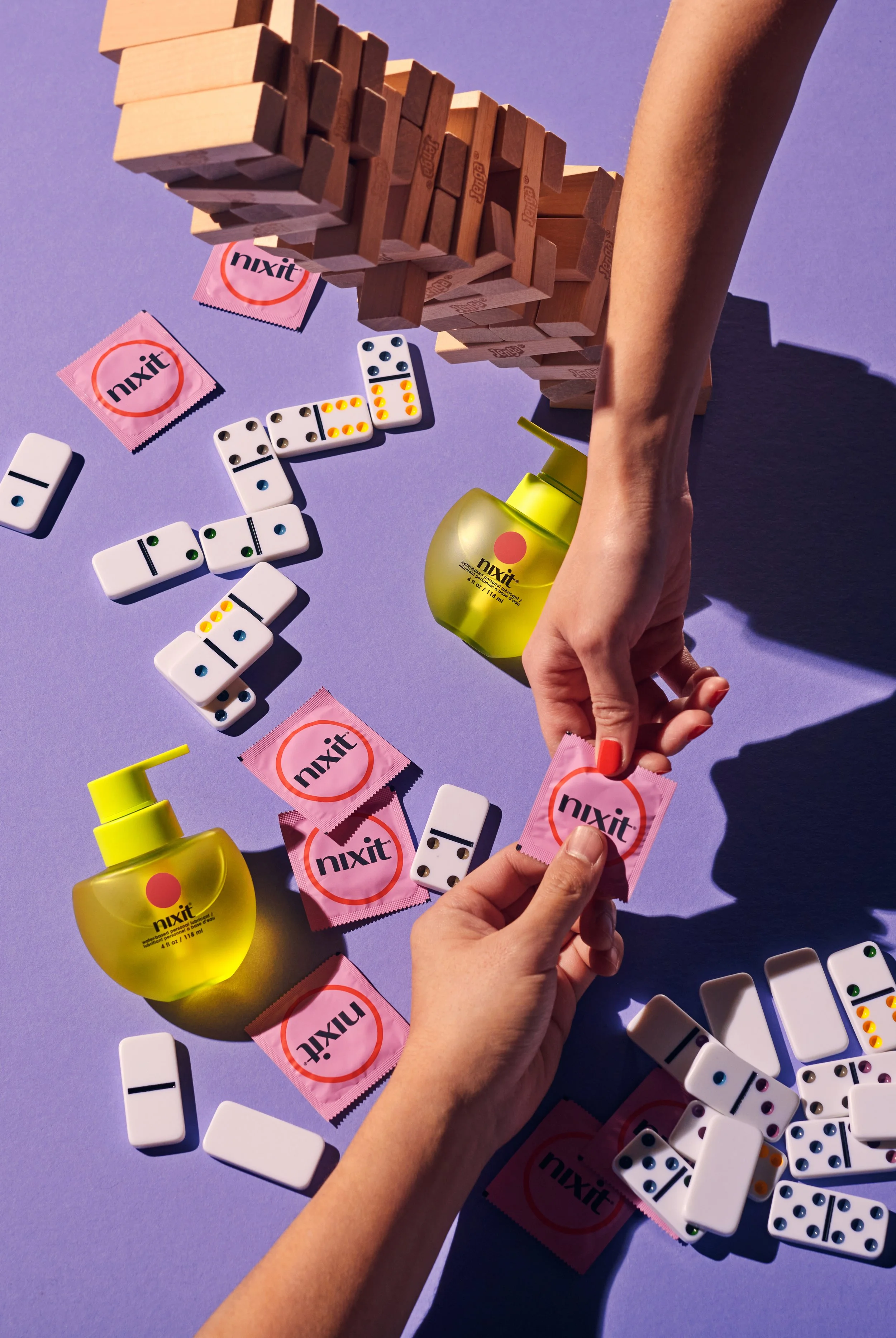
For me, aesthetics are part of making intimate care more inviting. A pop of pink. A luxe lime bottle. Fun, exciting packaging that is bold, bright and premium instead of clinical, hyper masculine or shame-filled.These products shouldn’t need to hide in a drawer.
We’re starting to see support from major retailers like Walmart and Loblaw, which are helping make more thoughtful intimate care products easier to find and access.
The intimate care aisle is long overdue for a shake-up, and we’re here for it.
Shop Nixit Condoms here.
¹ World Health Organization, United Nations Population Fund and FHI360. Use and Procurement of Additional Lubricants for Male and Female Condoms: WHO/UNFPA/FHI360 Advisory Note. 2012. Read the WHO advisory note.