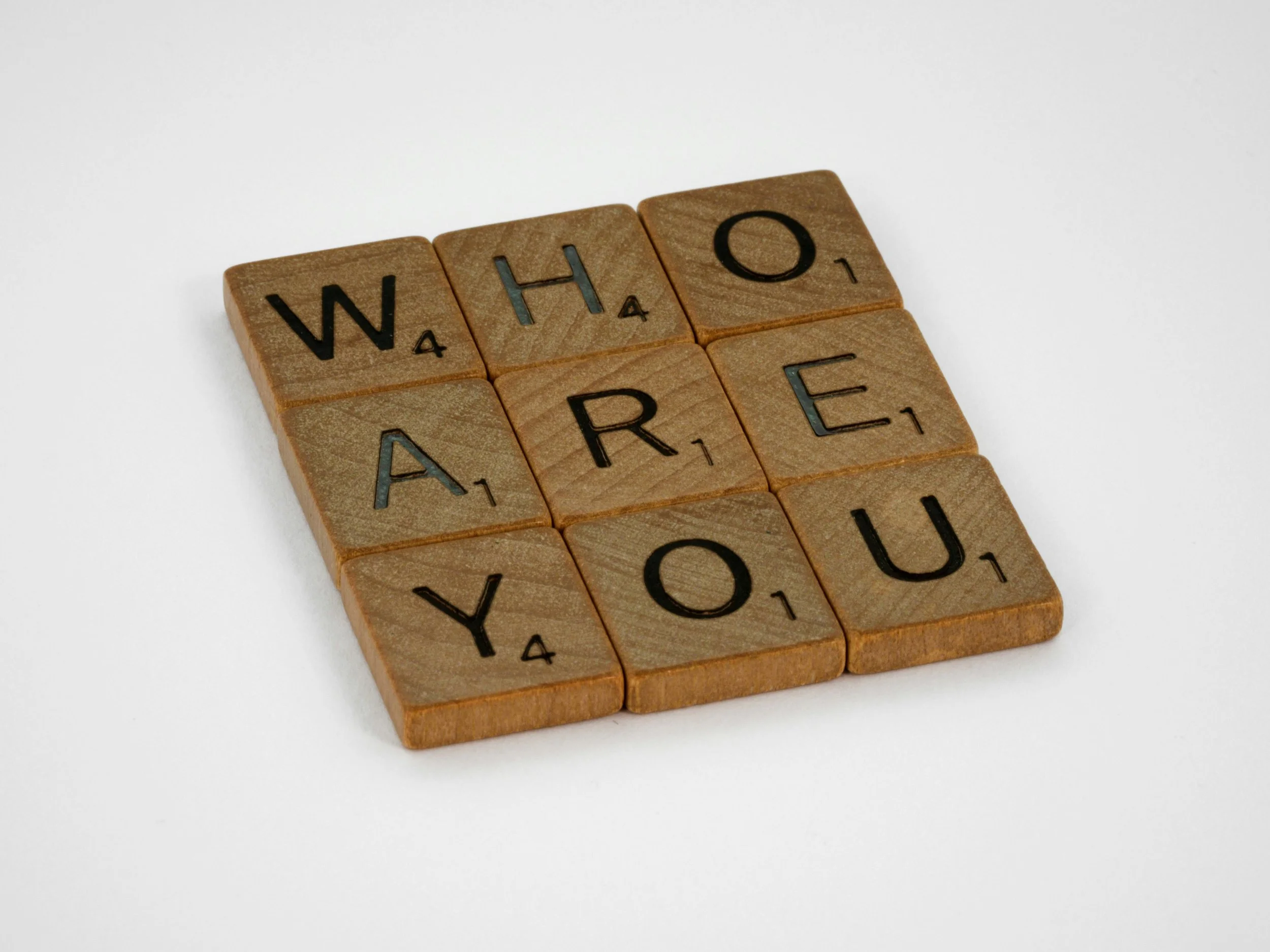
Here’s How Taking a Personality Test Can Make You a Better Parent (and Person)
Written by Carolyn Beckner
Can an online five minute quiz both inspire and challenge your entire way of life? Read on to find out.
Each and every one of us is a unique blend of where we were born, who our parents are, our education, our social status, and our internal biases (among many other things). Often, we take one aspect of our personality and turn it into our whole identity - “I'm a social butterfly”, “I'm honest to a fault”, “I always see the best in people”, “that's just how I am”.
Others, however, see it differently…
They want to know more. They want to know why they are how they are. They want explanations and details.
While some just want an excuse for bad behaviour, some want to know how to change to better themselves for the future. The latter group? They are on a path to uncomfortable success and I applaud it.
Whether it’s generational trauma or just bad habits that need working out, choosing to step into the future with eyes wide open is huge. It’s vulnerable and revealing, and so very worth it.
Personally, I’ve taken about one hundred ‘personality’ tests. Sure, that's too many, and taking three probably would have sufficed, but I just couldn't help myself! Who doesn’t want to know what historical leader they are, or what bird matches their fashion style (Queen Elizabeth I and an emperor penguin, if you're wondering…).
Most are silly or inaccurate – just made up for clicks or views – and that’s fine. The silly ones are fun, light-hearted and not life-changing. But the good ones - the real evidence-based stuff - well those tests actually made me stop and think. The kind where my thumbs hovered over the screen as I reread the results, equal parts fascinated and called out.
Some of those results stuck with me. They made me reflect on decades of habits, how I show up in my marriage, and even how I parent.
I’ve come to believe that certain personality tests can reveal things about our parenting and relationships we might never have noticed otherwise. They offer a lens; a way to understand what makes us tick so we can adapt, communicate more clearly, build better coping skills, and manage our time (and our emotions) more effectively.
They help us see our flaws for what they are: not life sentences, but starting points for growth.
Sounds like a lot of pressure for an online quiz, but they’ll hold up their end of the bargain, I swear.
The two that are worth your time? The Enneagram and Myers-Briggs.
Here's what to expect from each.
Enneagram
The Enneagram breaks personality into nine core types, each revealing how we think, feel, and react under stress.
Here’s the thing with this test: it’s going to make you uncomfortable. It’ll hype you up with your best traits, but it’ll also call you out on your flaws. And that’s the magic of it. When you understand what drives you, you can communicate better, have more empathy, and stop trying to be someone you’re not.
I’m a Type Five, and learning that information has helped me finally make sense of why I sometimes feel like an outsider. It gave me language for growth, and grace for my weaknesses.
The other types are:
Type 1 (The Reformer): Principled, purposeful, self-controlled, and perfectionistic.
Type 2 (The Helper): Demonstrative, generous, people-pleasing, and possessive
Type 3 (The Achiever): Adaptive, excelling, driven, and image-conscious
Type 4 (The Individualist): expressive, dramatic, self-absorbed, and temperamental
Type 5 (The Investigator): Perceptive, innovative, secretive, and isolated
Type 6 (The Loyalist): Engaging, responsible, anxious, and suspicious
Type 7 (The Enthusiast): Spontaneous, versatile, distractible, and scattered
Type 8 (The Challenger): Self-confident, decisive, willful, and confrontational
Type 9 (The Peacemaker): Receptive, reassuring, agreeable, and complacent
Your type isn’t a label; it’s a mirror. Your type gives insight and provides direction for the future.
Myers-Briggs
The Myers-Briggs Type Indicator (MBTI) test sorts people into 16 personality typesbased on how you focus energy, process information, make decisions, and interact with the world.
When I first took it, I was an ISTJ (introverted, sensing, thinking and judging) — rigid, structured, very “my way or the highway.” But motherhood softened those edges, and now I’m an INTP (still introverted, intuition, thinking, perceiving), and that shift actually lines up perfectly with my Enneagram Type Five.
What I love about this test is how it shows that growth doesn’t mean becoming someone new. It’s about evolving.
You can take a free version at 16personalities.com and I promise, it’ll make you see yourself (and others) a little differently.
So how does learning all of this translate into daily life?
Awareness.
Learning about and better understanding myself – how my brain works differently from others – allowed me to notice and identify ways I was allowing my stress to impact my kids and my home. In my state of stress, I would become scattered, agitated, preoccupied and detached, traits no parent wants. But once I recognized them, I was able to start making real changes. It takes time, and I’m far from “cured” of my negative traits, but I catch myself sooner, and repair faster.
Personality tests are supposed to be fun and they shouldn’t be treated as labels, or add any more pressure. They are tools that give insight and help you understand how you show up. They offer context and a roadmap for growth.
Your loved ones, especially your kids, need a whole person –someone who is actively working on themselves, managing stress, and keeping negative habits in check.
You deserve the best version of yourself, and I have total faith that you can give it.
Free Online Tests
Enneagram Test: https://www.canadianenneagram.ca/rheti/
Personality Test: www.16personalities.com/free-personality-test
For more reading on this topic, check out: