I Spent Twenty Years Calling it a Hobby, Instead of what it was; a Lifeline.
Canadian Women Founder Series
Written by Karen Bramhill
What happens when the life you worked so hard to build isn’t the life that makes you feel most like yourself? After two decades spent following the path she thought she was supposed to want, one Canadian artist reflects on rediscovering creativity.
I spent twenty years building the life I was supposed to want.
I completed the serious education. I had the successful career. There were the promotions, the titles, the steady paycheque— everything I was told was important. I got very good at being good at things I wasn't sure I actually wanted to be doing. And, I actually grew to love a lot of it.
I looked forward to seeing the people. I enjoyed leading teams and solving complicated problems and being dropped into situations where nobody quite knew what to do next. I loved travelling into communities in Cambodia and Kenya and seeing the world outside my own little bubble. I loved the feeling of being useful, especially in emergencies when you knew the work you were doing actually mattered.
What I didn't love was the pretending.
Pretending I cared deeply about things I didn't. Pretending I knew the answer when I didn't. Pretending I was the expert in the room because that was what the role required. Learning how to speak in the right way, have the right opinions, navigate the politics and, eventually, become very good at performing a version of myself that I wasn't particularly interested in being.
And I think most women are particularly good at this.
We are asked to be the best mother, the best wife, the daughter who shows up, the friend who remembers everyone's birthday, the person who makes dinner and gets the kids to soccer and somehow stays fit, successful, ambitious, grounded and at peace with herself. We are told we can have it all, but somehow the list of things we're supposed to be is never-ending.
So much of life becomes about being something instead of simply being someone. For me, art had become the thing I was allowed to do when everything else was done.
A hobby.
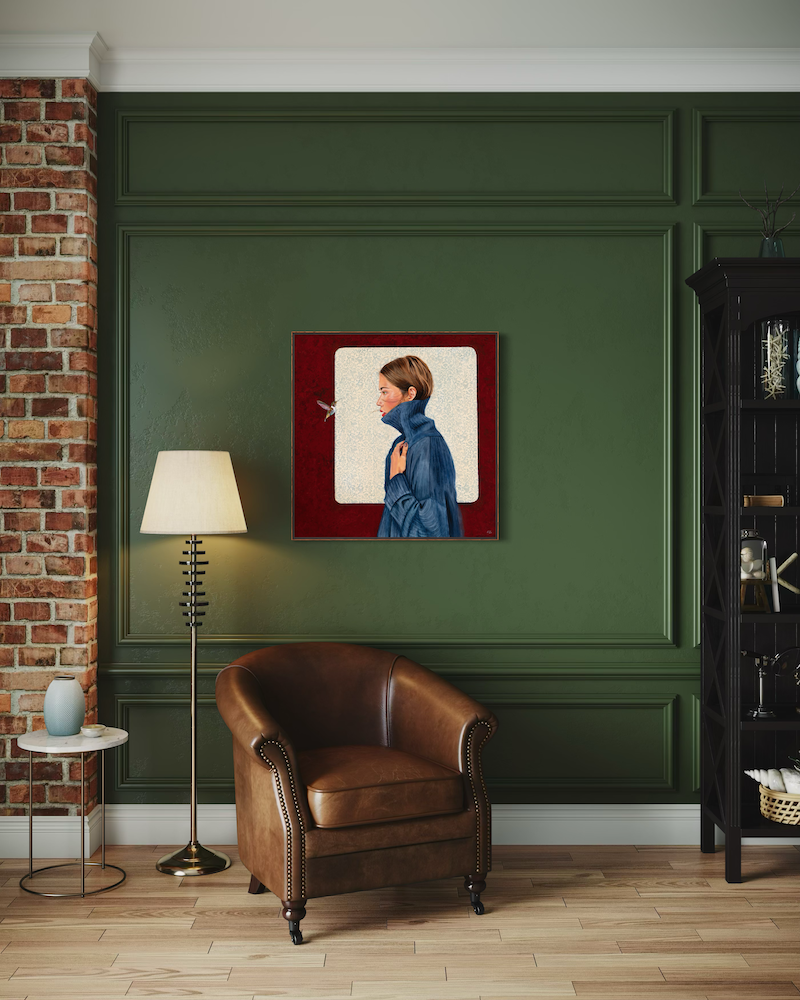
That word felt safer than artist. A hobby was something you didn't have to be particularly good at. Something you could enjoy without having to prove anything. If I called myself an artist, suddenly I could be judged against artists who had gone to art school, had galleries, had recognizable styles and decades of experience. And, if I'm honest, I didn't see being an artist as a real option anyway.
As the daughter of a Colombian immigrant, I grew up with a pretty clear understanding that you got a serious job. You went to school. You built something stable. You made good money. Art was lovely, but it wasn't the plan.
So I put down my paintbrush after high school and stopped creating altogether.
Years later, in Malaysia, I found myself in a pretty dark place. I was living halfway around the world, questioning my career, my identity and what I actually wanted from my life. On a whim, I signed up for a lino-block carving class with a friend.
It wasn't a grand epiphany. I don't remember exactly what I felt in that moment. I just know something came back to life.
It was like a spark, an ember in a dark hollow, and I knew: yes. Follow that. Follow that light.
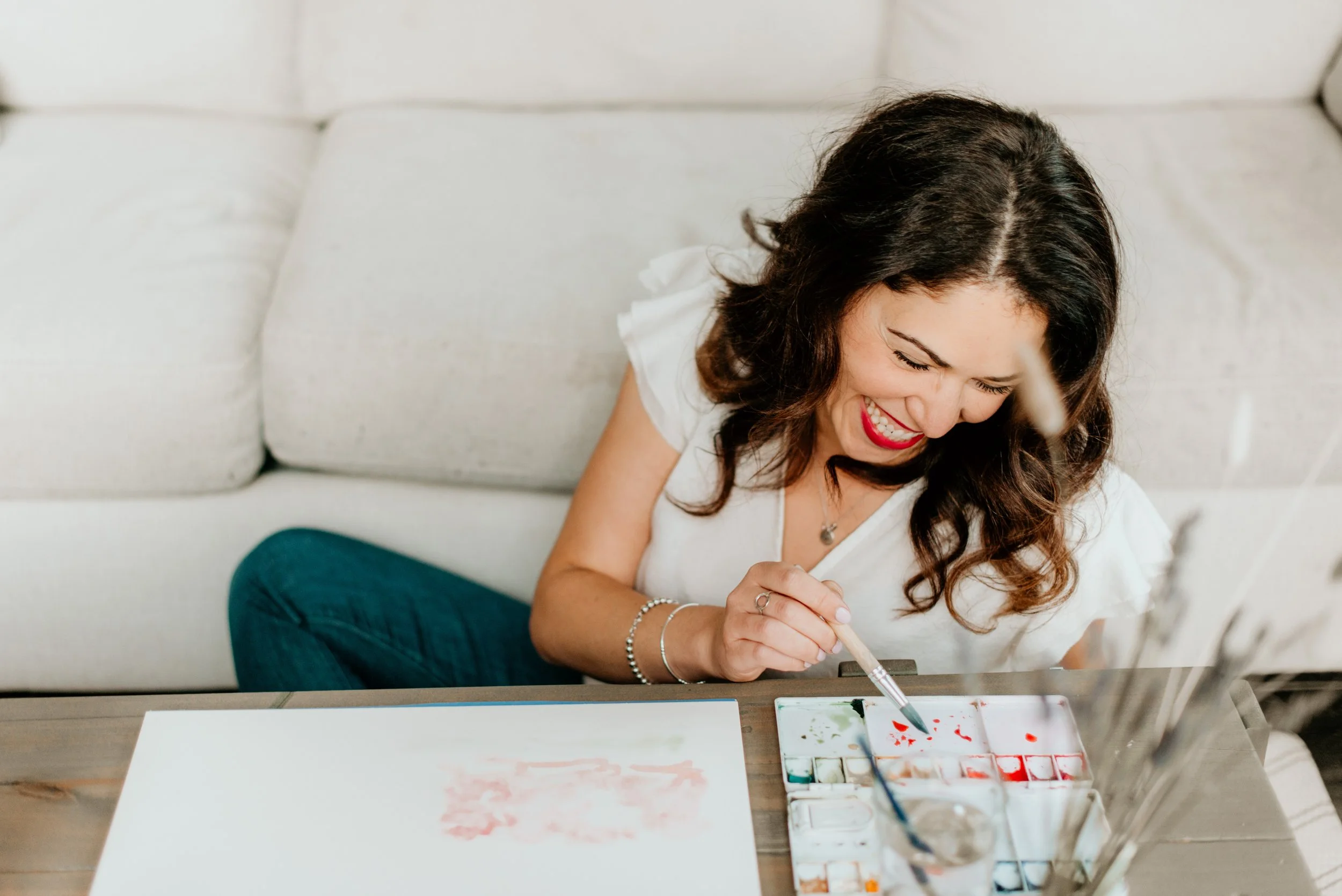
I started making things again.
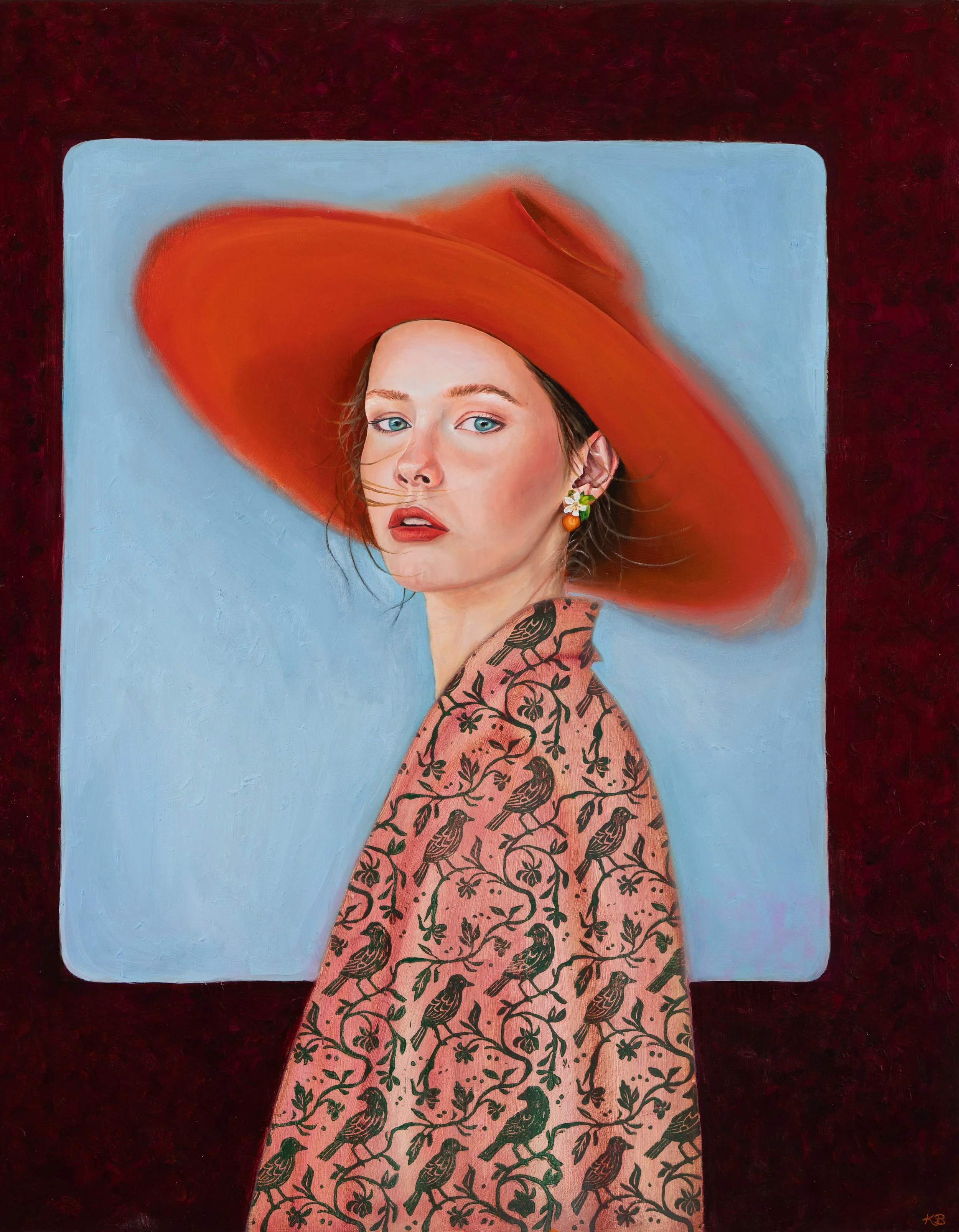
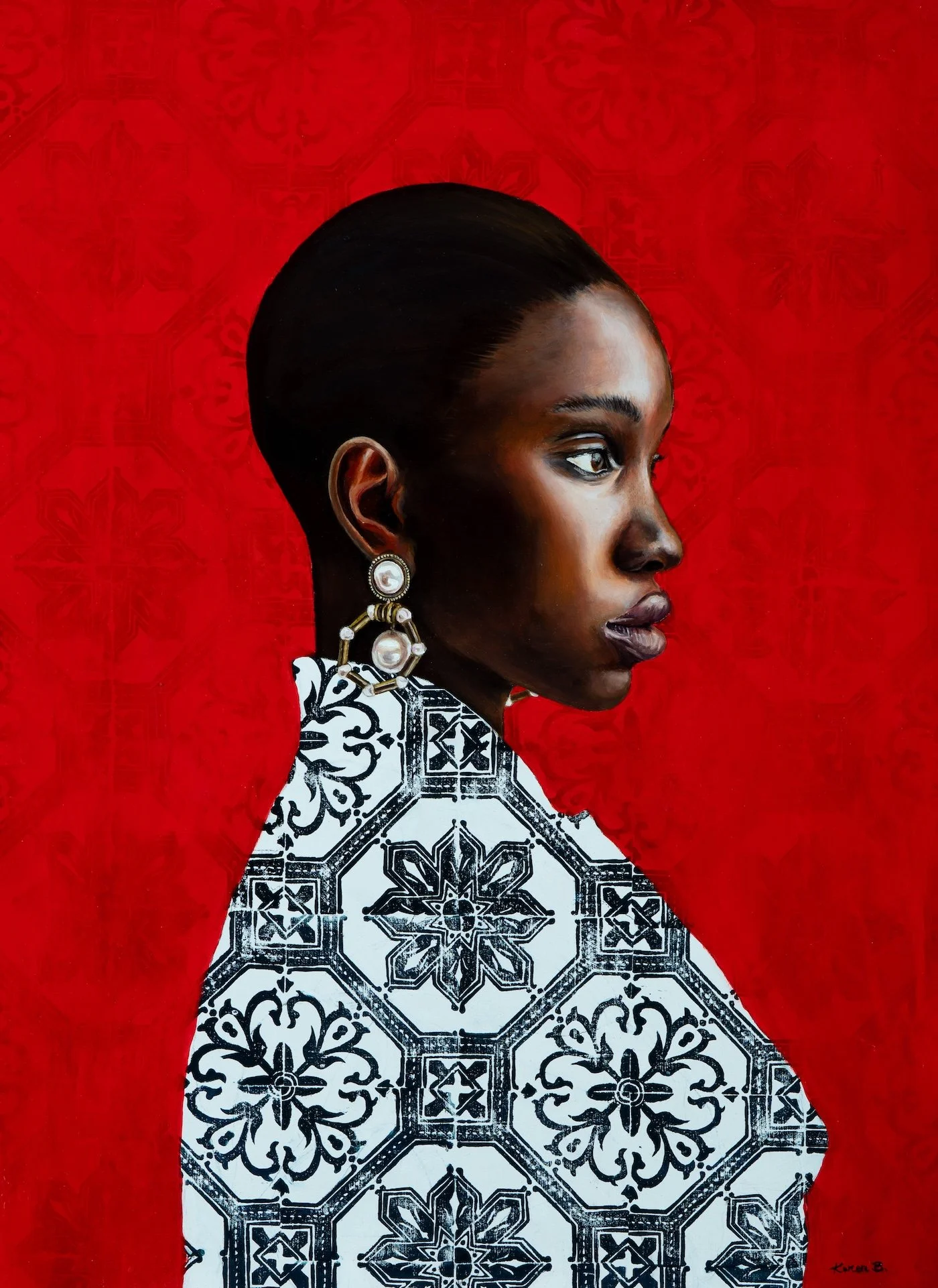
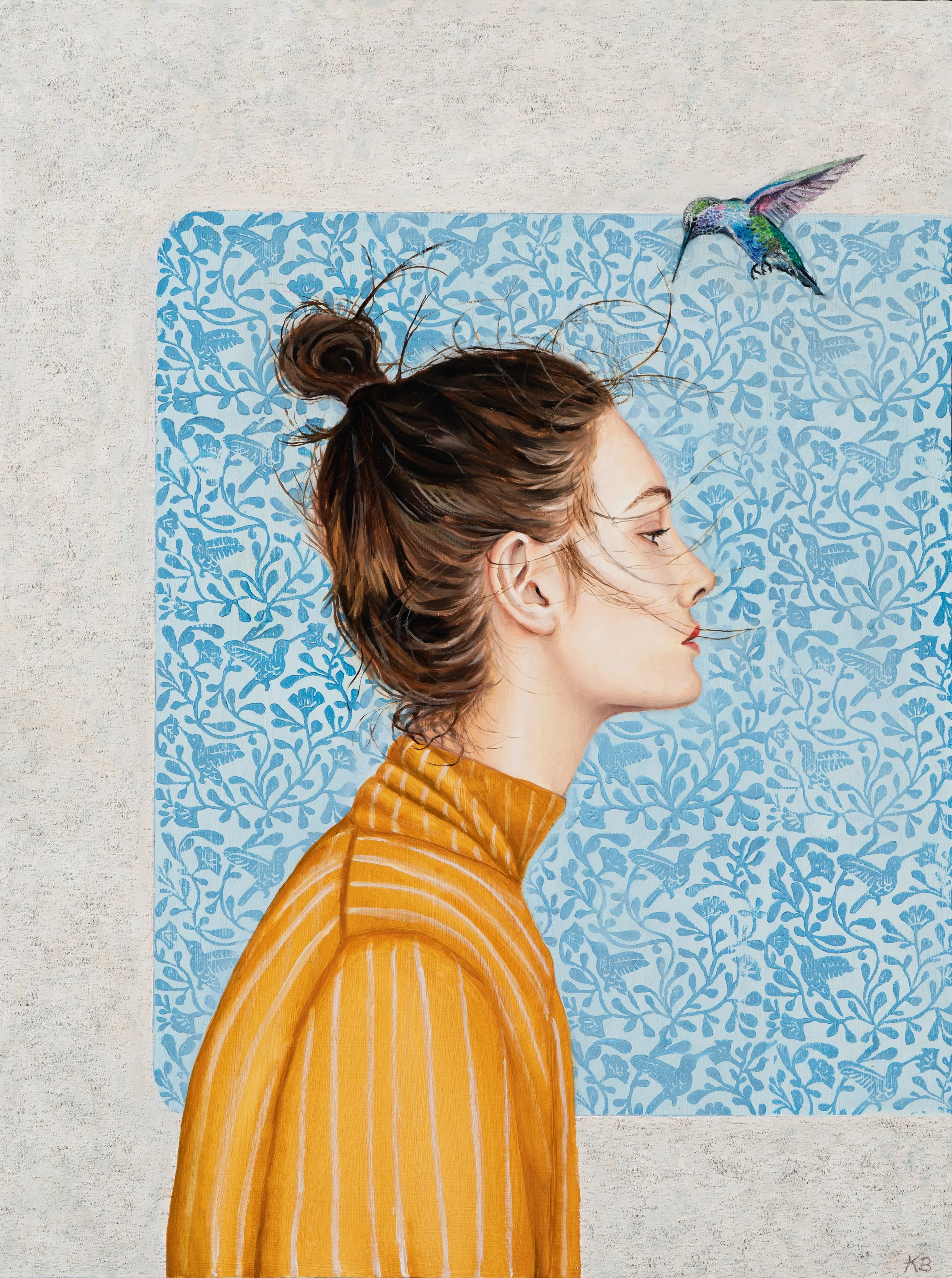
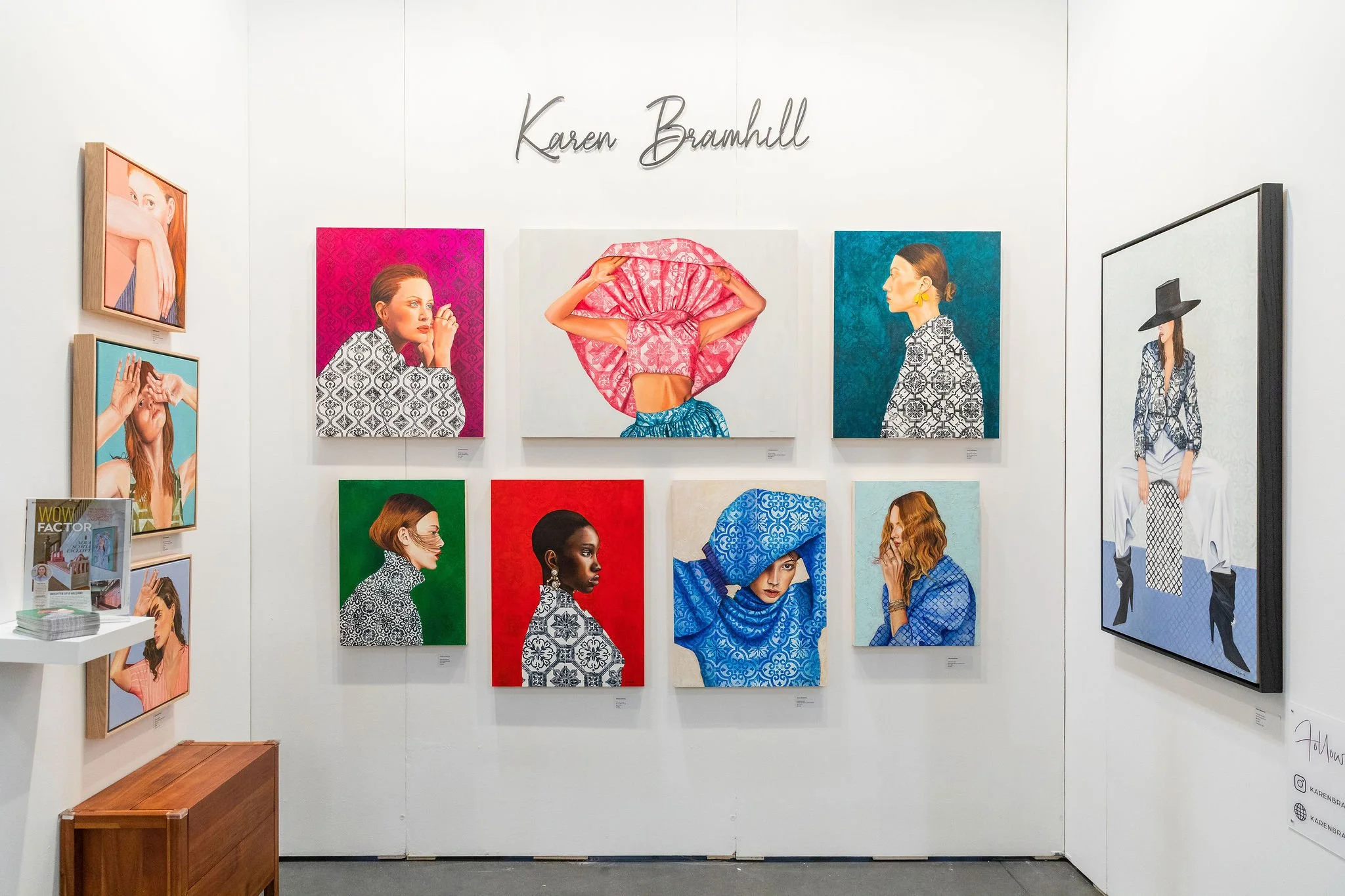
And I haven't really stopped. The funny thing is that the little lino-block class I took in Malaysia has now become part of my actual painting practice. I hand-carve blocks inspired by Portuguese tilework and use them as the foundation for my paintings. Something that started as a small experiment became part of the language of my work.
That's how I think the important things often arrive. Not necessarily as some giant flashing sign, but as a little pull. An idea you keep coming back to. Something that makes you feel more awake.
Looking back, there were breadcrumbs everywhere. I just wasn't very good at following them.
I think that's why I care so much about making things with my hands now. We are living in a world where we can consume almost anything instantly. Content, information, entertainment, AI, opinions, inspiration. Consume, consume, consume.
But we aren't meant only to consume. We're meant to create.
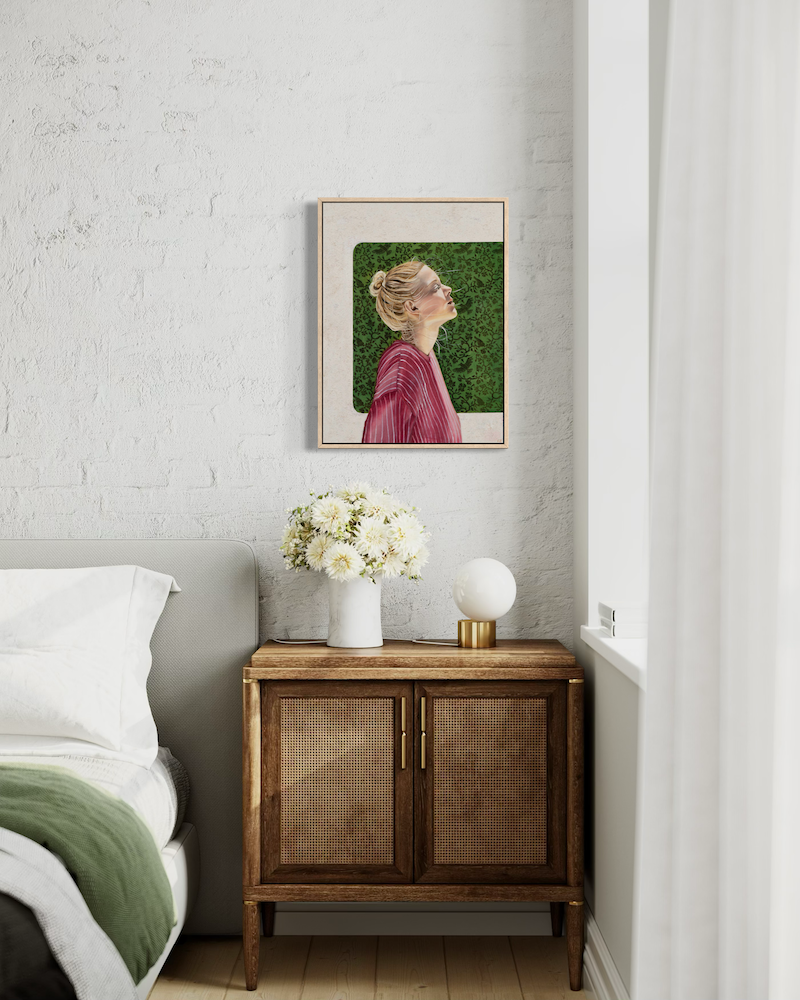
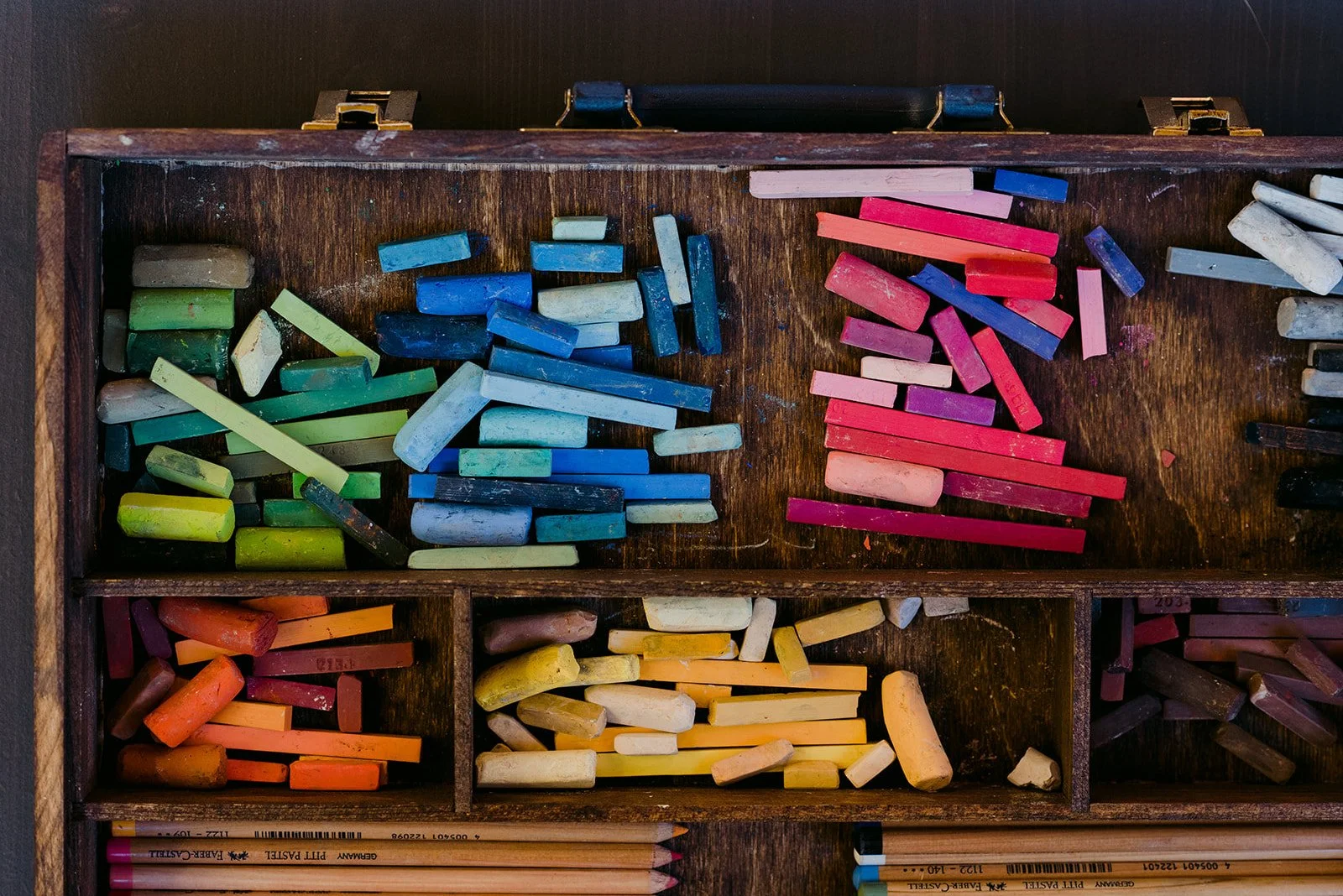
My studio is tiny. It's at the end of the hallway in our house and it doesn't even have a door. I can sneak in after the kids go to bed or steal an hour on a weekend. Inside are soft pastels, oil pastels, oil sticks, watercolour, acrylic, oil paint, charcoal, basically every material I can get my hands on.
It feels like a little sanctuary. I can walk in and make something. Experiment. Make a mess. Try something completely ridiculous. Bring something to life.
And sometimes I spend hours on something and stand back and think, Oh shit. This is terrible. That's part of it too.
Building an art career has felt a lot like making a painting. You start with an idea and you're excited. You put down a few marks and think, Yes, this is going somewhere. Then you get into the messy middle and suddenly everything looks wrong and you're wondering whether you've completely ruined it.
You keep going anyway. I'm in that messy middle now.
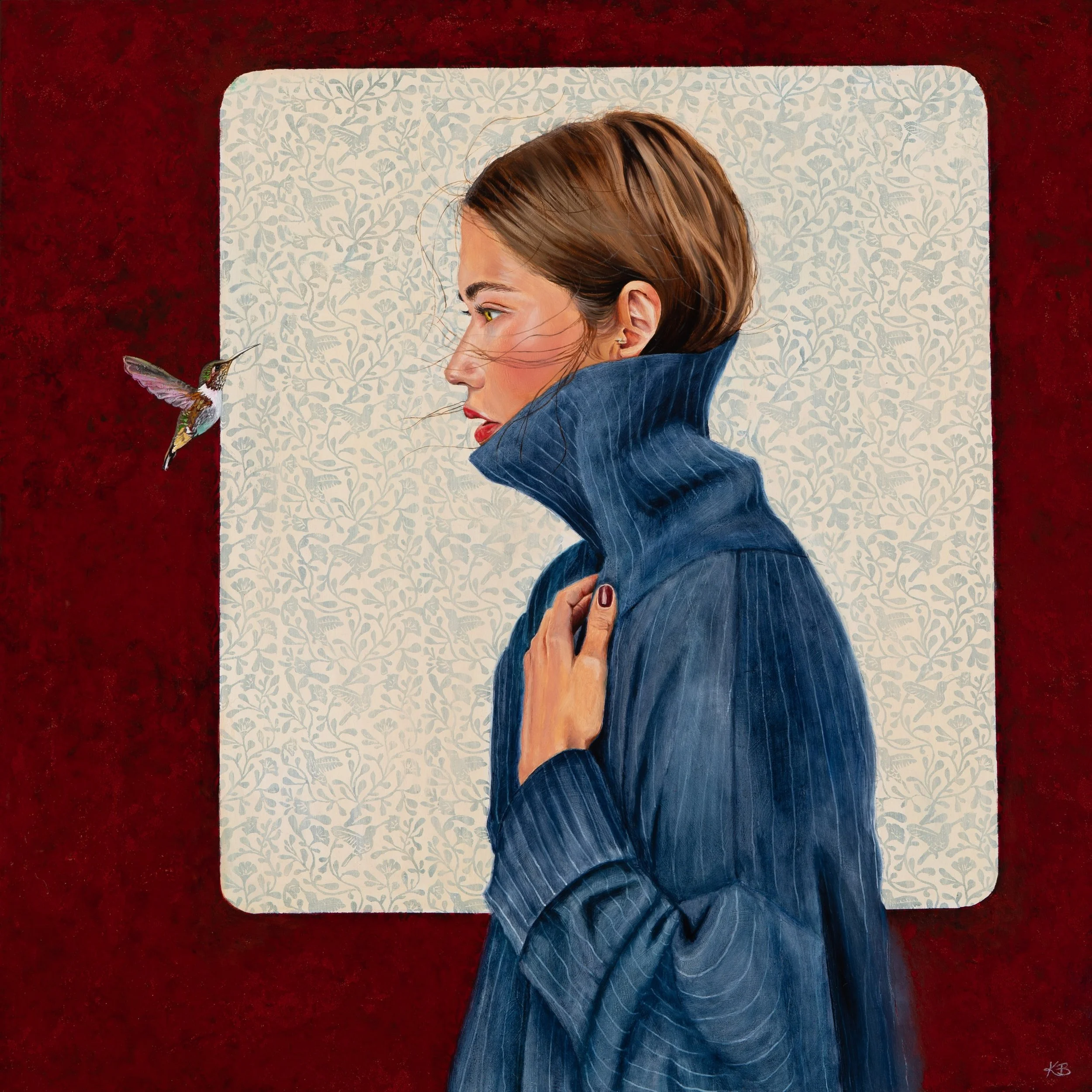
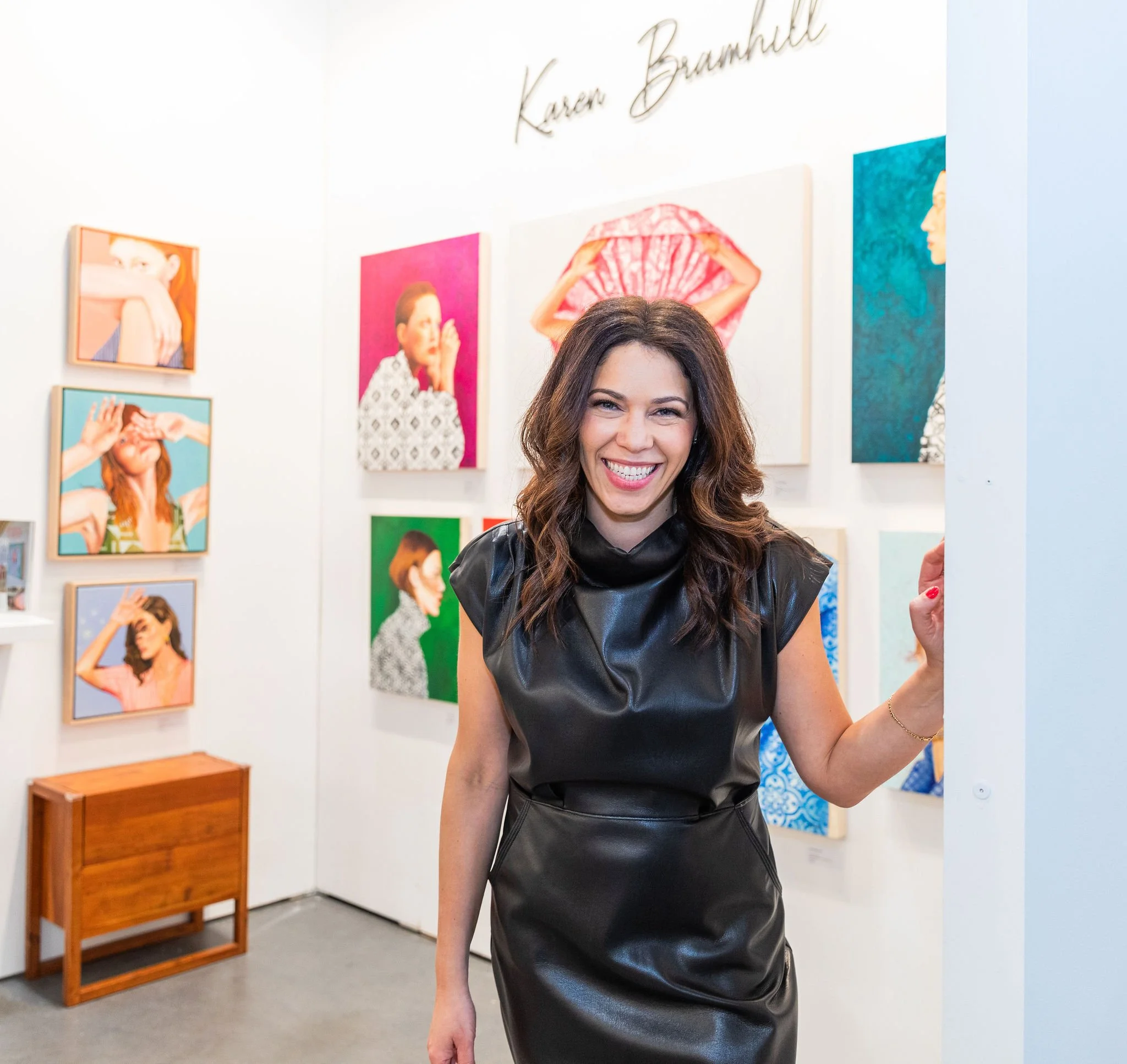
I've been exhibiting in Canada for the past five years, including four years at Artist Project in Toronto, and I've met some incredibly talented artists along the way, and wonderful collectors who resonate deeply with my work. The Canadian art community has been generous and welcoming, and I've found people who have become friends and people whose work continually pushes me.
But I'm also learning an entirely new language. Galleries. Curators. Designers. Collectors. Pricing. Licensing. Business models. I never went to art school, so there are a lot of things I'm figuring out as I go. And maybe that's okay. Maybe we don't need to see the whole road before we take the next step.
I think about this whenever someone buys one of my paintings. I don't want them to buy it because it matches the sofa. I want them to fall in love with it. I want them to walk past it on a Tuesday morning with their coffee and feel something. I want their home to feel like them.
That's probably why I have such a hard time with homes that feel like they could belong to anyone. I love a quiet, restrained, neutral space as much as anyone. What I don't love is when everything starts to look the same, when we remove all the strange, personal, beautiful things that tell us who actually lives there.
I think our homes should have a little evidence of us in them. Our lives should too. I'm not suggesting everyone quit their job tomorrow and become an artist. Please don't email your boss because I told you to. But I do think we should pay much more attention to the things that make us feel alive.
The idea you can't stop thinking about. The thing you keep coming back to. The thing that makes you lose track of time. The thing that feels a little bit like you before you started worrying about what everyone else thought.
Maybe those are the breadcrumbs. I spent twenty years calling mine a hobby.
I'm finally following them.