Eat Local. Change Everything.
Written by Heather Lockhart
This article explores the case for eating and supporting local food in Canada, highlighting the knowledge and ingenuity required to produce food in a northern climate, the cultural and nutritional value of seasonal eating, and the role local food plays in sustaining producers, strengthening communities, and preserving regional identity.
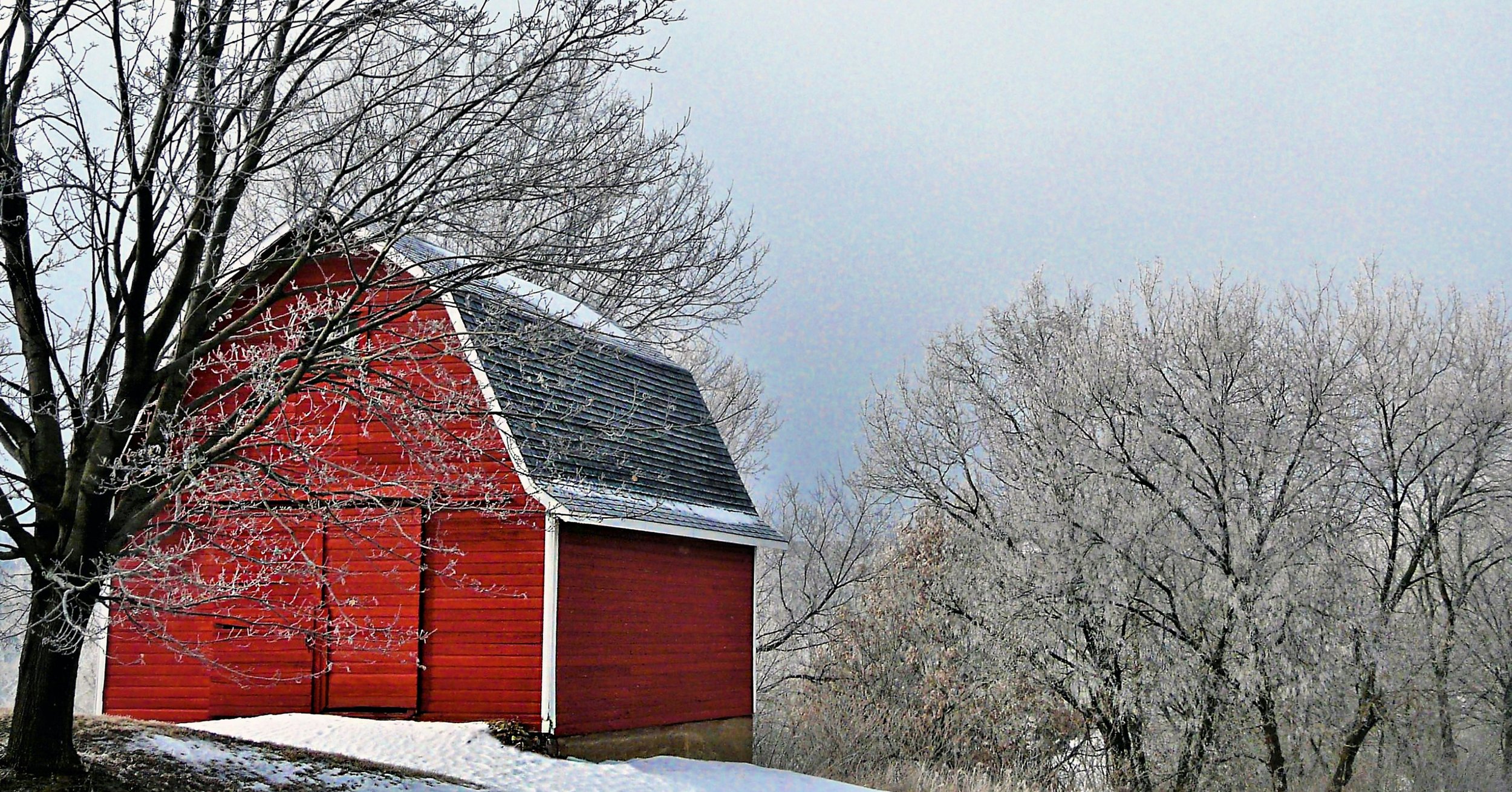
On cold, dark winter mornings, long before most of us pour our first cup of coffee, lights are already on in places we rarely see.
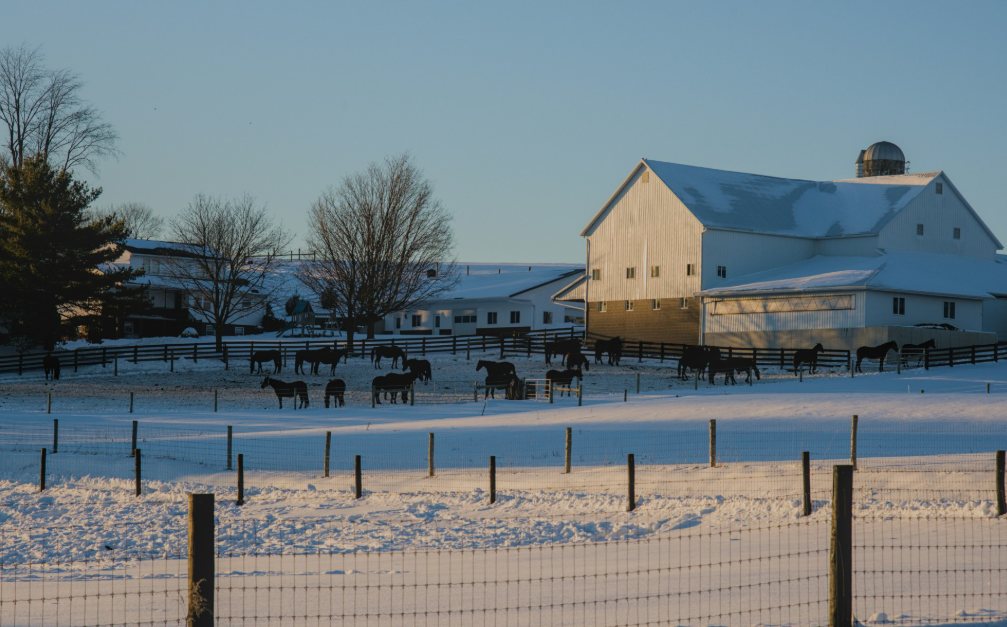
A bakery oven starts warming. A dairy barn prepares for early milking. A farmer studies the forecast that will determine how the day’s work unfolds.
These moments never make headlines, yet they form the foundation of our local food system.
“Support local” has become a familiar phrase in Canada - one we hear often, repeat readily, and sometimes dismiss as a passing consumer trend.
Beneath the slogan, however, lies something far more substantial: a close-knit network of people, skills, land, and traditions that sustain our communities year after year.
Climate and geography have always shaped how Canadians grow and eat food. Our seasons are decisive. Winters are long. Growing windows are narrow and often erratic.
Producing food here has never been a passive exercise. It requires detailed knowledge, foresight, planning, and ingenuity.
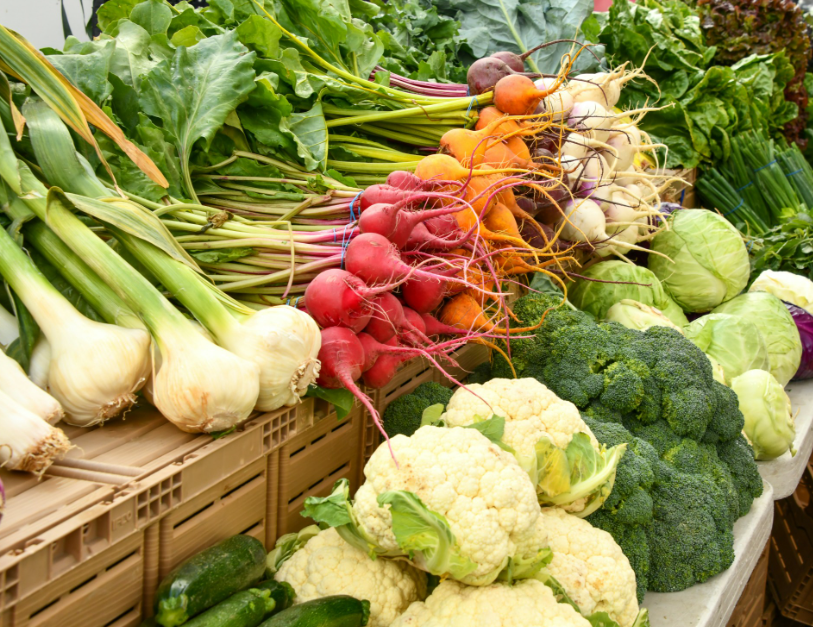
Canadian food traditions reflect this reality. They respond to what is available for harvest now, while emphasizing preservation for the months ahead. Root vegetables in the depths of winter. Stored apples throughout the cold season. Summer berries folded into winter baking.
For producers, unpredictable and often harsh conditions demand continual adaptation. Farming in a northern climate means constantly refining systems and making the most of narrow growing windows.
Greenhouses, animal husbandry, careful storage, crop rotation, and soil management are not passing trends, but practical solutions refined over generations.
Through the passing of the seasons, knowledge is transferred from one generation to the next. Farmers teach their children how to rotate crops and care for animals. Families pass down the skills of bread baking, pie making, and cooking from scratch.
In doing so, food becomes both sustenance and education.
From a culinary perspective, Canadian food culture remains remarkably flexible. It provides fertile ground for traditions to evolve, while remaining grounded in their origins.
Thoughtful reinterpretation is celebrated here, whether through twists on familiar recipes or by embracing unique flavours that reflect the diverse heritage of modern Canadian communities.
In this way, our cuisine remains both deeply practical and richly expressive.
Local food has also become associated with another modern label: “health food”. And this idea exists for good reason.
Peak season offers peak freshness, and with it, peak nutrition. Canadian food production is guided by quality above all. It is not designed for mass output, nor for the rigours of long transportation and extended shelf life. Instead, it offers superior flavour and nourishment in its most natural form possible.
As Canadians grow more informed and intentional about what they eat, many are recognizing and actively seeking these benefits.
Spend time with Canadian producers and a defining theme emerges: pride matched by perseverance. Farming families rise early every day of the year, holidays included, because duty calls. Their work continues through uncertainty and pressure, driven not by recognition but by responsibility.
Whether organic or conventional, Canadian farmers maintain some of the highest food quality and safety standards in the world. Our farms operate under rigorous regulations that protect environmental health and animal welfare. Today’s producers are not only stewards of land and tradition, but highly trained professionals who combine modern science with generations of lived experience.
They rarely speak in grand terms about their work. Instead, they talk about consistency - about doing things properly and improving year after year. For them, success is measured over decades, through maintaining soil health, herd improvement, and leaving their land and businesses stronger than they found them.
When we support local food systems, we are not simply purchasing ingredients. We are safeguarding our food producers’ expertise and ensuring their skills endure. When small producers disappear, communities lose far more than food products. They lose regional flavours, hard-won knowledge, and the stories that give meaning to the meals we cook and share.
A community without a local food culture becomes flatter and less distinct. When traditions fade, identity erodes.
Local food is often assumed to be expensive or less practical from an economic perspective. The reality, however, is more nuanced. When we purchase imported, mass-produced food, much of each dollar leaves the community almost immediately, moving through distant supply chains.
When we buy local, that same dollar stays closer to home. It circulates through farmers’ markets, neighbourhood grocers, and family-run businesses, supporting fair wages and reinvestment in community well-being.
Economists call this the “local multiplier effect” - the principle that money spent locally continues to circulate within the communities that earn it.
Higher prices, where they exist, reflect the true cost of producing quality food in a northern climate. Short seasons, high labour and energy costs, and smaller-scale production all play a role. In return, we gain food that is richer in flavour and nutrition, while supporting the people and places behind it.
Supporting local does not require perfection. Nor does it need to be costly. It can begin with choosing fewer, better staples. Shopping seasonally. Learning the stories of producers. Cooking with intention and using ingredients well.
Eating local was never a luxury. Historically, it was a necessity. Today, it remains an act of participation.
On that same winter morning, as bakery doors open and barn lights are lit, something important has already happened. Food has been made with care, close to home, by people who understand the land and the responsibility they carry.
All that remains is for us to notice, and to choose accordingly.