

The Canadian Berry You’ve Probably Never Heard Of (But Will Want to Jam)
Written by Maria Depenweiller
This is a segment of Taste the North where we celebrate the flavours and makers that define Canadian cuisine. From chefs and culinary creators to small-batch producers and cozy kitchen stories, we’re serving up what makes Canada delicious.
Winter’s Red Jewel: The Story of Canada’s Wild Lingonberries. Maria is a lecturer at Pacific Rim College, award-winning cookbook author, and holistic nutritionist who brings together the art of wellness and the joy of cooking. Read her article below to learn about the superpowers of the lingonberry and try your hand at making lingonberry jam.
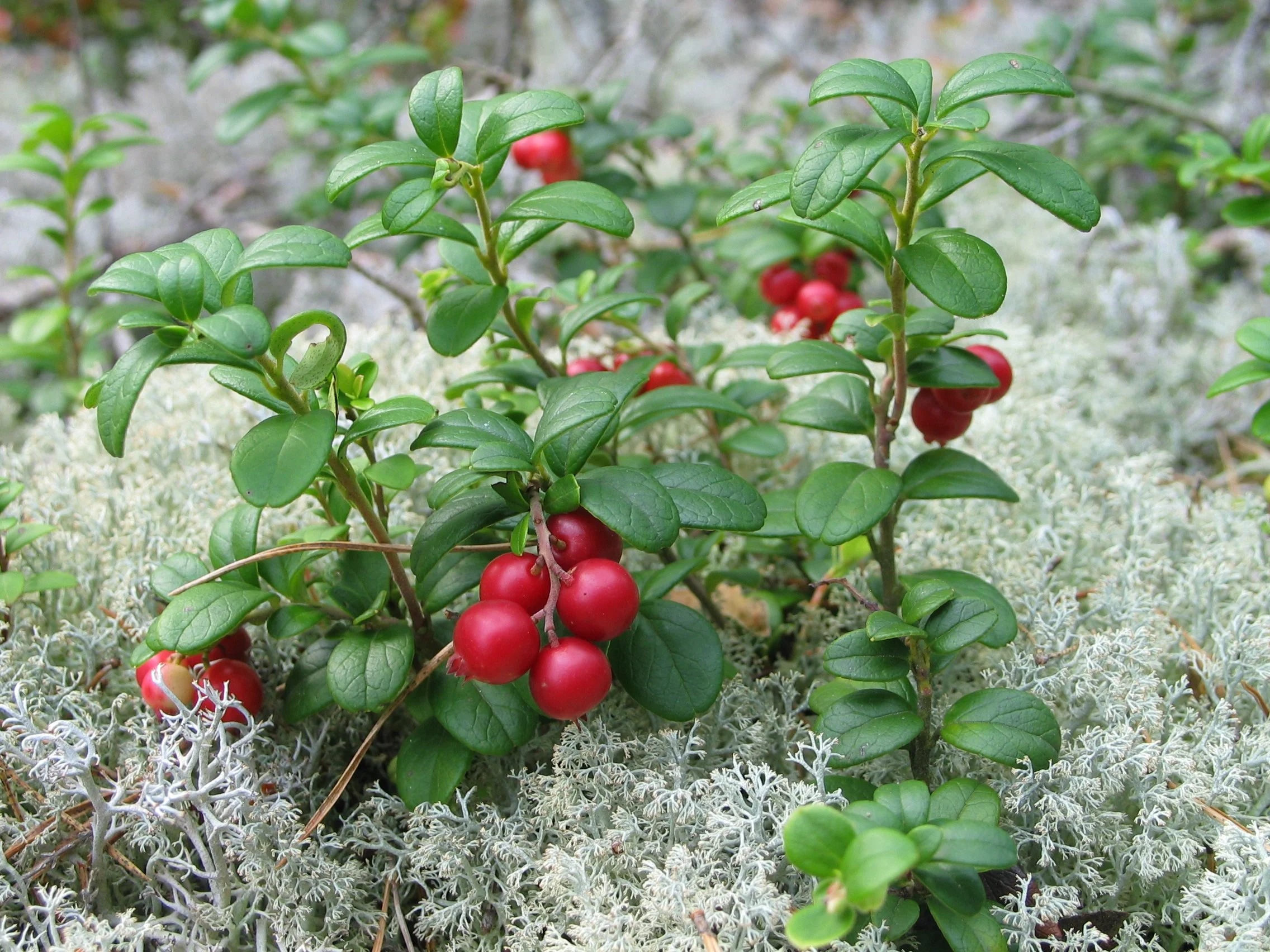
Canada’s wild lingonberries
When the first snow dusts the northern forests and daylight begins to fade, most of the world goes quiet. Yet, tucked beneath spruce boughs and sleeping moss, clusters of scarlet berries cling to life—the humble yet mighty lingonberry. Known as partridgeberries in Newfoundland and Labrador, these small, ruby-red fruits have been cherished for centuries by northern communities who understand the art of thriving through long winters.
Lingonberries grow wild across Canada’s boreal forests, thriving in cold, acidic soils from the Yukon to Newfoundland. Their low, evergreen shrubs blanket the forest floor, producing delicate white blossoms in spring and vibrant red berries in late autumn. They are among the last fruits to ripen before the snow settles—and remarkably, they often stay fresh beneath the frost, ready to be gathered even after the first freeze.
For generations, Indigenous peoples and northern settlers relied on lingonberries as a vital winter food. Preserved in cold cellars or cooked into jams, they brought a burst of brightness to the darkest months. Their tart, cranberry-like flavour pairs beautifully with wild game, root vegetables, and hearty winter dishes.
From a nutritionist’s view, lingonberries are nothing short of a northern superfood. Rich in vitamin C, vitamin A, and manganese, they support immune health and energy metabolism. Their deep red hue signals the presence of powerful antioxidants—anthocyanins and polyphenols—that help reduce inflammation and protect against oxidative stress. Lingonberries also contain unique plant acids that support urinary tract health, much like their cranberry cousins.
Their resilience mirrors their benefits: strong, enduring, and quietly powerful. And in winter, when fresh produce is scarce, a spoonful of lingonberry jam feels like a taste of summer’s light.
Lingonberry Jam
Ingredients:
4 cups fresh or frozen lingonberries (or partridgeberries)
1 1/2 cups sugar
1/2 cup water
1 tbsp lemon juice
Directions:
Combine the berries, sugar, and water in a heavy saucepan. Bring to a boil over medium heat, stirring until the sugar dissolves. Lower the heat and simmer for 15–20 minutes, until the mixture thickens. Stir in lemon juice and cook for another 2 minutes. Pour into sterilized jars and seal.
Store refrigerated for up to 3 months.
This jam captures the essence of the northern landscape—bright, tangy, and resilient. Spread it over warm scones, serve alongside roasted meats, or swirl it into yogurt for a burst of winter colour and flavour.