

5 Things You Didn’t Know About Specialty Coffee (According to Pilot Coffee Roasters)
Written by Bailey Kennedy
If you're anything like me, you go to bed dreaming about your first sip of coffee in the morning. It might sound like an exaggeration but the ritual of grinding the beans, smelling the roast and the gurgle of the urn before sipping on a warm brew sets the tone for my day.
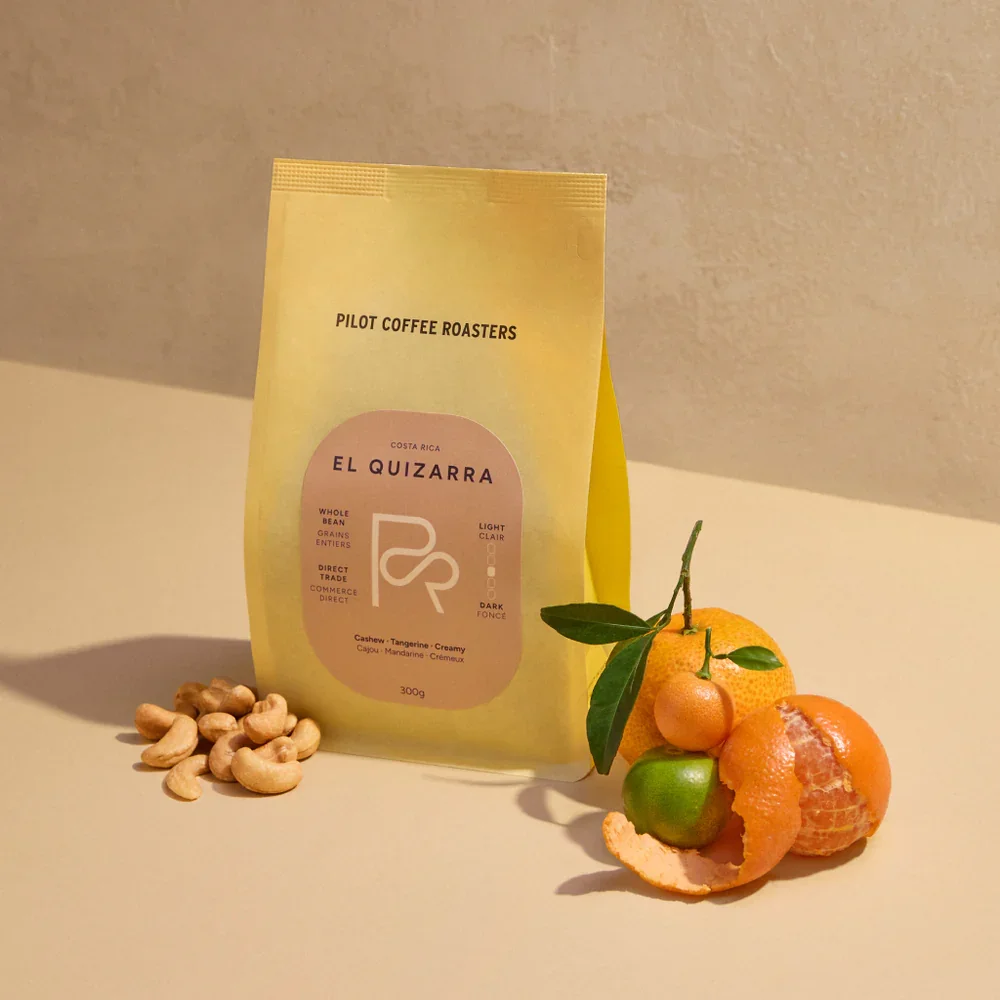
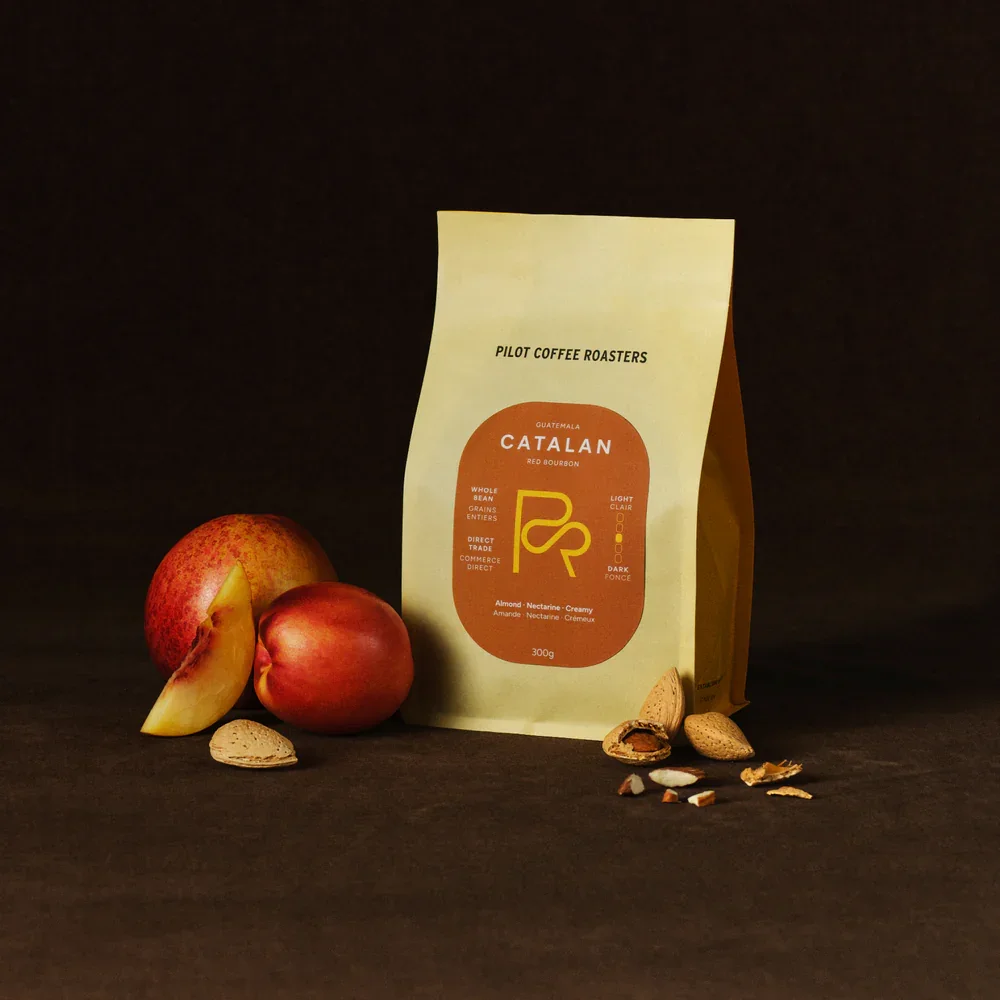
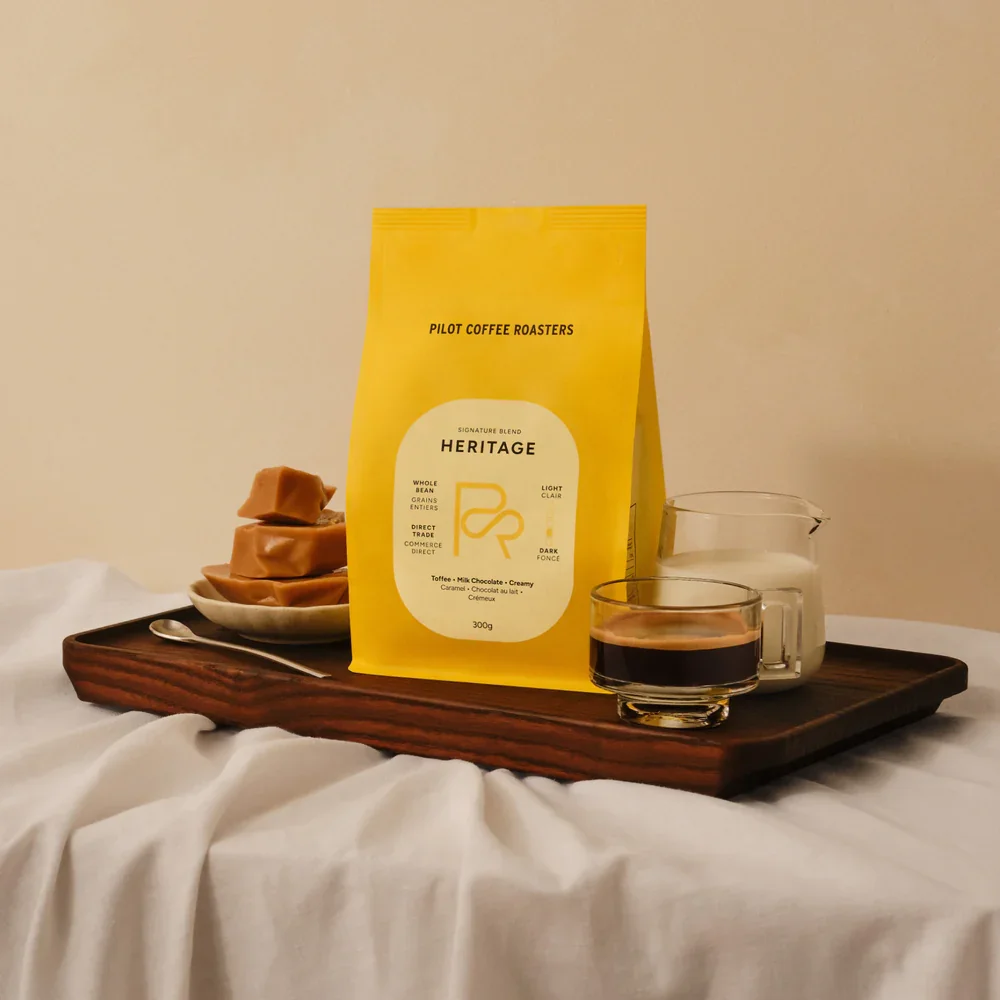
As with most things we consume these days, it's important to learn what goes into your coffee, where it comes from, and how it's treated. We had the opportunity to sit down with Pilot Coffee and dig into their origin story, how they source product and what sets them apart from other roasters.
5 things you’ll learn in the interview below:
Specialty coffee isn’t just about taste
Some coffee relationships last over a decade
Geography matters less than partnerships
Education makes better coffee drinkers
Accessibility is just as important as quality
The Origin Story
Pilot Coffee was founded by Andy Wilkin and Jessie Holmes in 2009 as a micro-roastery and cafe in Leslieville. Originally named “Te Aro” after co-founder Andy’s hometown in New Zealand. Andy and Jessie were inspired by the South Pacific cafe culture that really focuses on skilled barista service, single-origin coffee variety, and brewing innovation.
Q: What sets Pilot Coffee apart from other Canadian coffee roasters?
A: I think we've never treated quality and accessibility as mutually exclusive values. Sometimes specialty coffee can feel unapproachable and scary, especially if you haven’t been able to learn what the terms on a bag of coffee mean yet. We are often one of the first forays that folks make into the specialty coffee world, so we try to keep the menu varied but exciting enough to create an experience that is meaningful and memorable for everyone. We’ve always been about making exceptional coffee that is still approachable and, hopefully, inspires customers to dive even deeper into the world of coffee.
Q: What are the core values that guide your business decisions?
A: From the start, we were built around ethically sourced Direct Trade coffee and building transparency about the process from farm to cup. Quality is always at the forefront of what we do, so we work with great producers around the world who share the same values. From sourcing to serving, we work thoughtfully to do things well, and we have a global network of coffee professionals who share that same mentality. We trust and rely on our partners at every step of the process, and that shapes our approach to relationships in general.


Q: Where do you source your coffee beans, and why?
A: We partner with coffee producers most commonly in Central America, South America, and East Africa. It’s less about geography and more about finding like-minded producers who we can build genuine, long-term relationships with.
We look for beans that express the traits of their origin and the care received as they were cultivated. We are always looking for new partners to work with and purchase from, and I am proud of the origins we are able to showcase. This all requires genuine relationships, not just transactional ones.
We have 10+ year relationships with many producers, like Nico Hammond in Guatemala, Chalo Fernandez in Colombia, and Carole Zbinden in Costa Rica. We visit regularly and stay in contact to understand each other’s needs.
Q:What makes specialty coffee worth the extra cost compared to regular coffee?
A: When you pay more for specialty coffee, you're paying for the immense labour that ultimately yields the highest-quality beans. Harvested by hand on pristine family farms, and paying for the care, quality and ethical treatment of the people and the land. When visiting our partners at origin, it is always incredible to see the respect the people working on the farm and the owners have for one another, and how well our partners treat the people who work to bring this coffee to us. It goes far beyond just a better-tasting cup of coffee.
Q: How does Pilot Coffee keep quality high while remaining accessible?
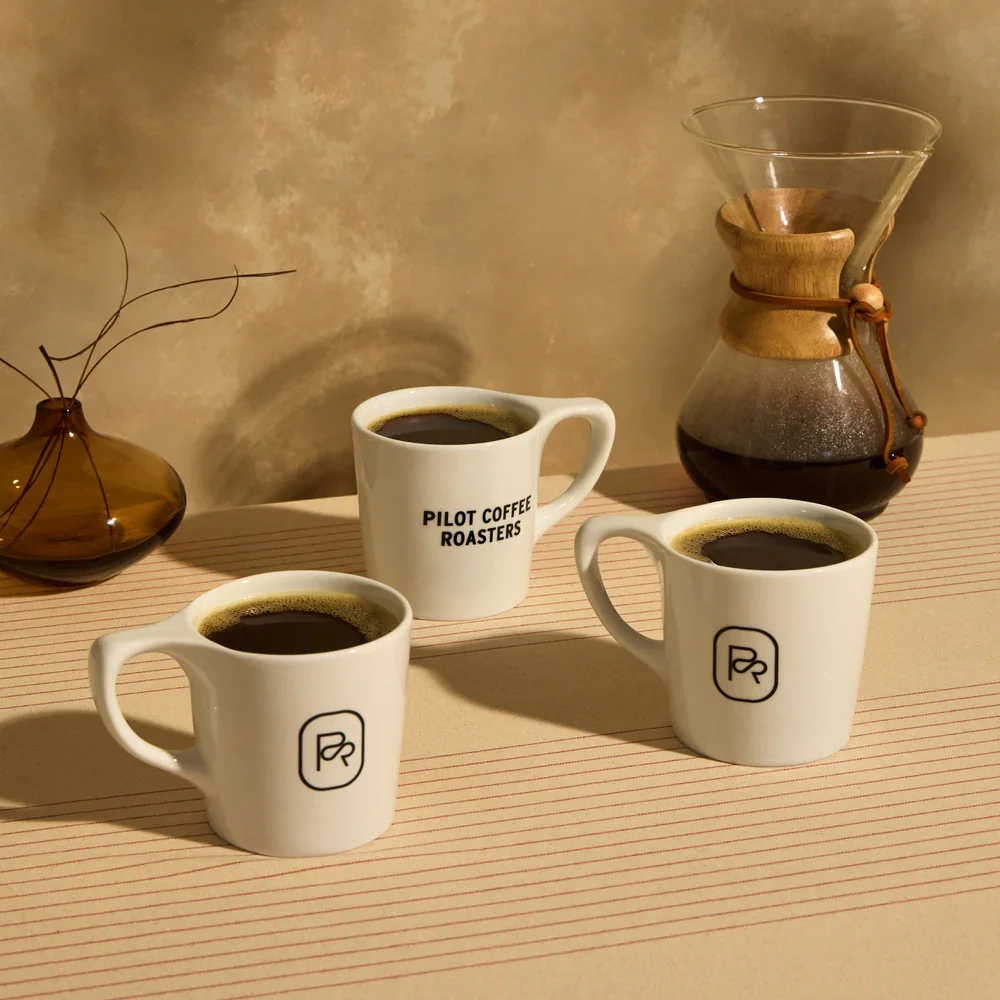
A: This is the tension we live in, and honestly, I think it's a healthy one. Approachability is a challenge for any roaster — how do you explain what makes the coffee so exceptional without being overly pretentious or difficult to understand? We've always tried to close that gap through education and experience rather than gatekeeping. We offer brew guides, host coffee tasting events, and do a lot of internal training and education so we can meet coffee drinkers where they are at.
If you are looking to check out a shop- check out https://pilotcoffeeroasters.com/ to find a location nearest you.